The UN’s CMR Convention turns 70: What’s next?

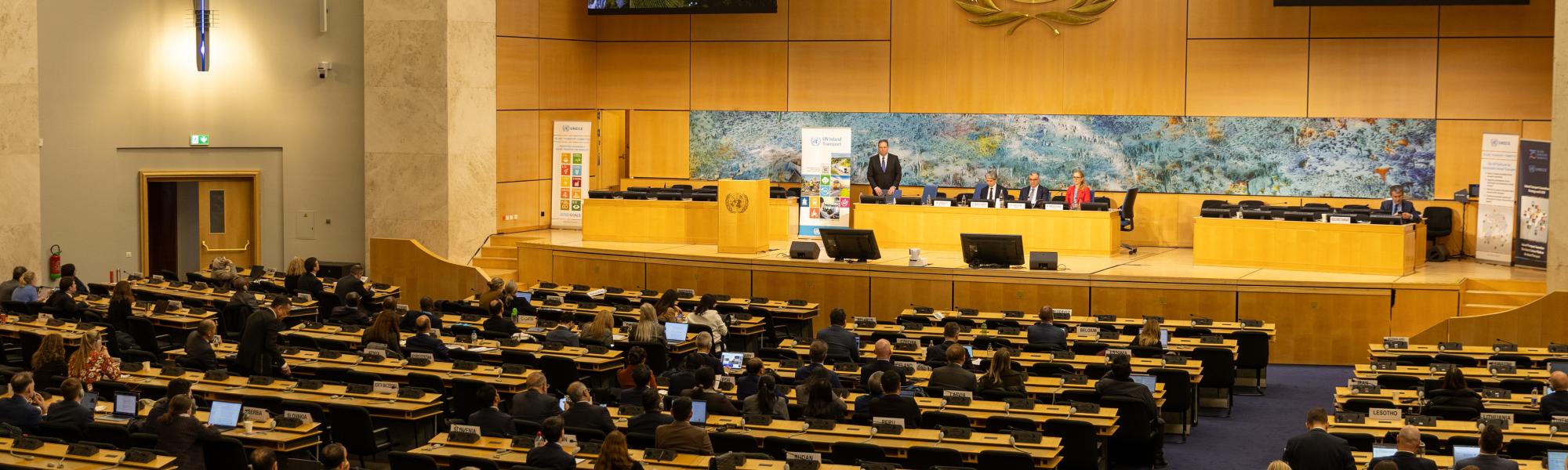
IRU marks the 70th anniversary of the Convention on the Contract for the International Carriage of Goods by Road (CMR) – a cornerstone of international road transport law. 

The CMR Convention is a testament to what the United Nations, governments and the private sector can achieve by working together. 

Since its signing in Geneva in 1956, the CMR Convention has provided the clarity, fairness and legal certainty needed for road transport operators to move goods seamlessly and expand their services – revolutionising freight transport. CMR supports economies and strengthens the very fabric of international trade. 

IRU President Radu Dinescu said, “For IRU, CMR’s 70th anniversary carries special meaning. From the very beginning, we have worked hand in hand with governments and international institutions to ensure that the CMR Convention is not only respected but truly lived in daily operations. It is now time to cement the digital era of consignment notes with the widespread rollout of eCMR, ensuring faster, trackable and even more secure digital trade.” 

UNECE Executive Secretary Tatiana Molcean said, “CMR is the backbone of transparent and efficient international road freight, ensuring legal clarity, reliability and consistency across borders. After seven decades, it remains one of the most widely applied international transport conventions, bridging all modes of transport and industry actors to facilitate global supply chains and the everyday movement of essential goods.” 

The future 

The next chapter for CMR lies in the digitalisation of the consignment note. 

eCMR is making road transport more transparent, secure and sustainable. It reduces handling costs by three to four times; accelerates invoicing and administration with reduced data entry; lessens delivery and reception discrepancies; enhances data accuracy; enables better control and monitoring of shipments; and provides real-time access to information and proof of pick-up and delivery. 

IRU embraces this digital future and is working with governments to support and drive forward the next era of international road transport.

Source

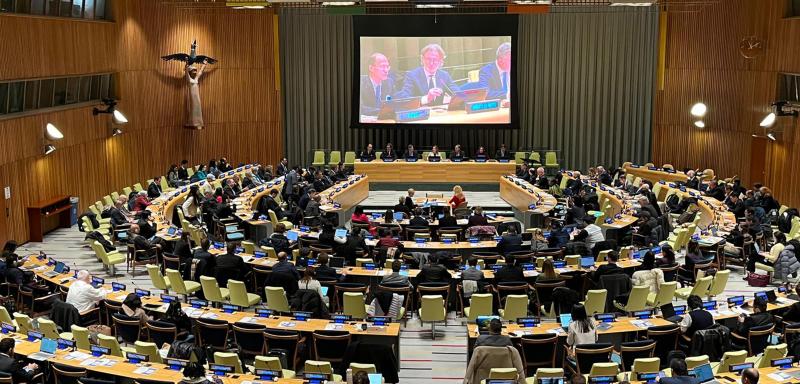
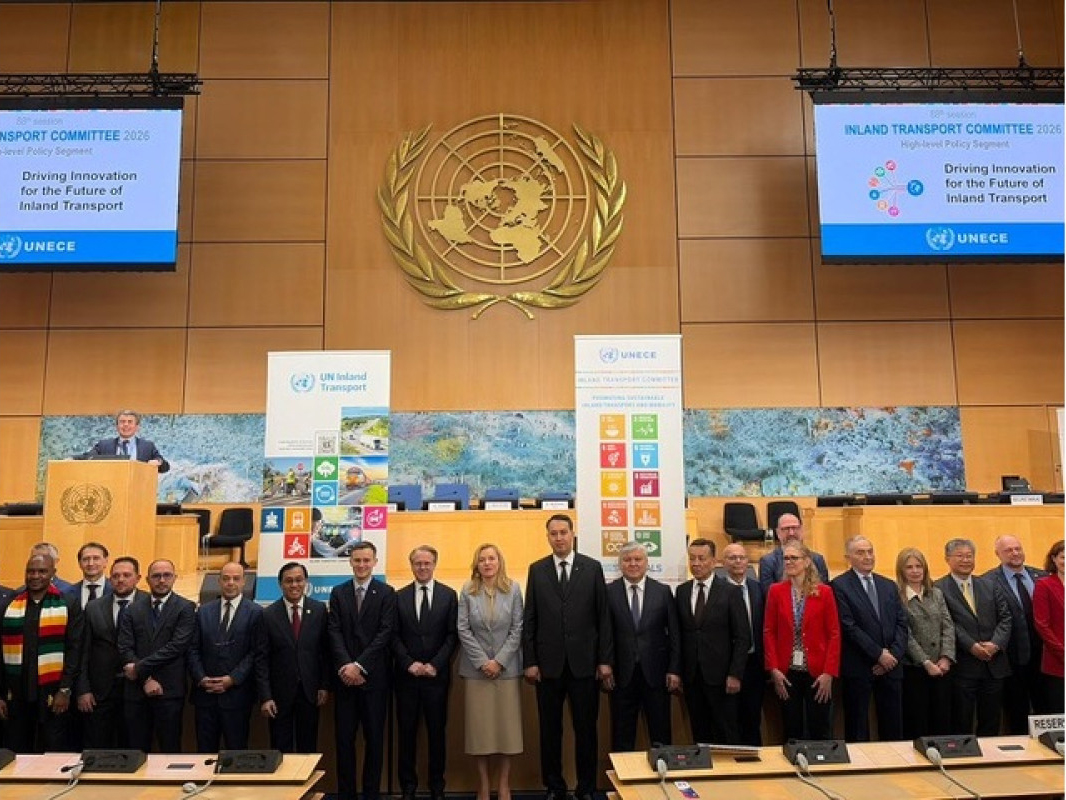
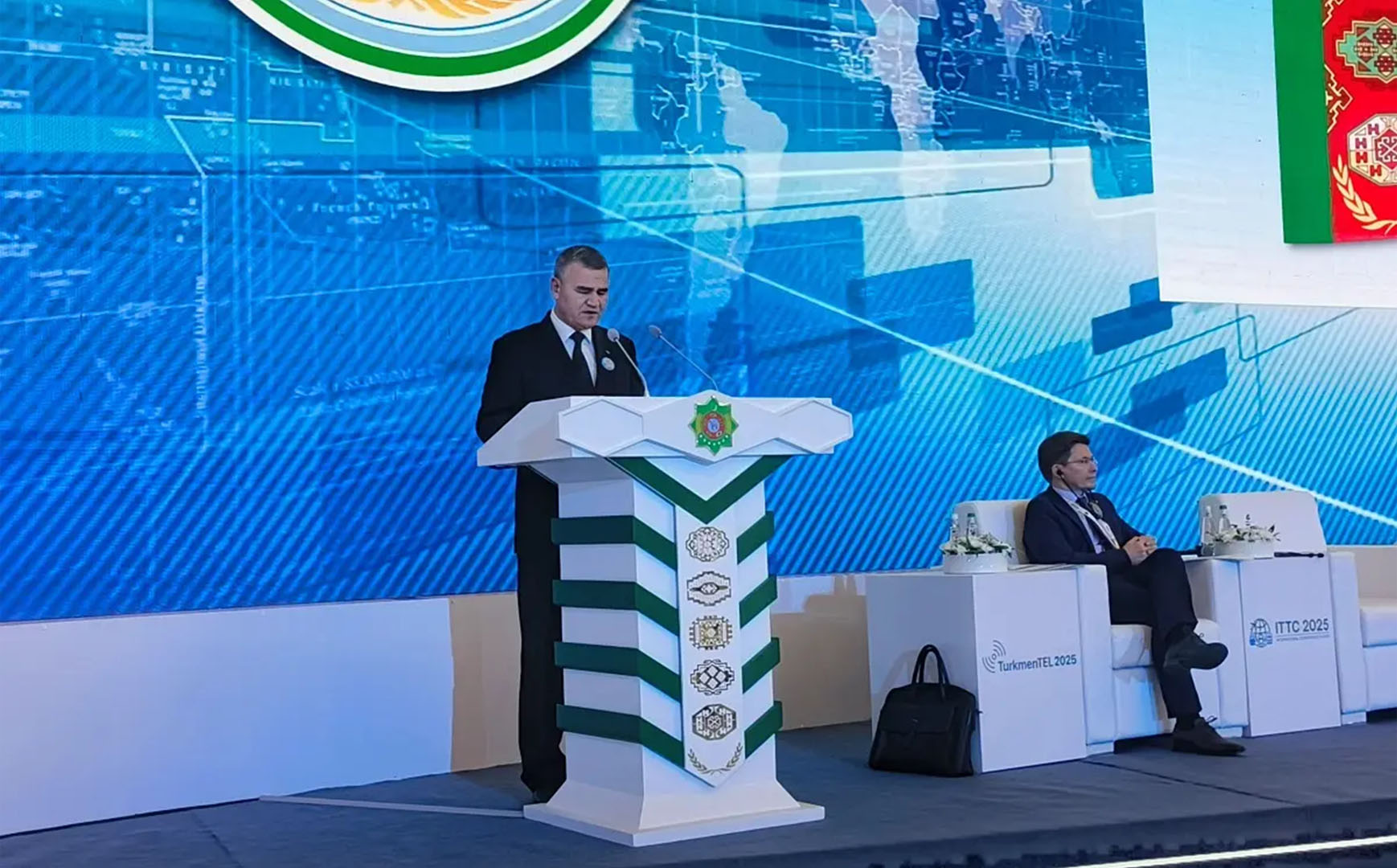
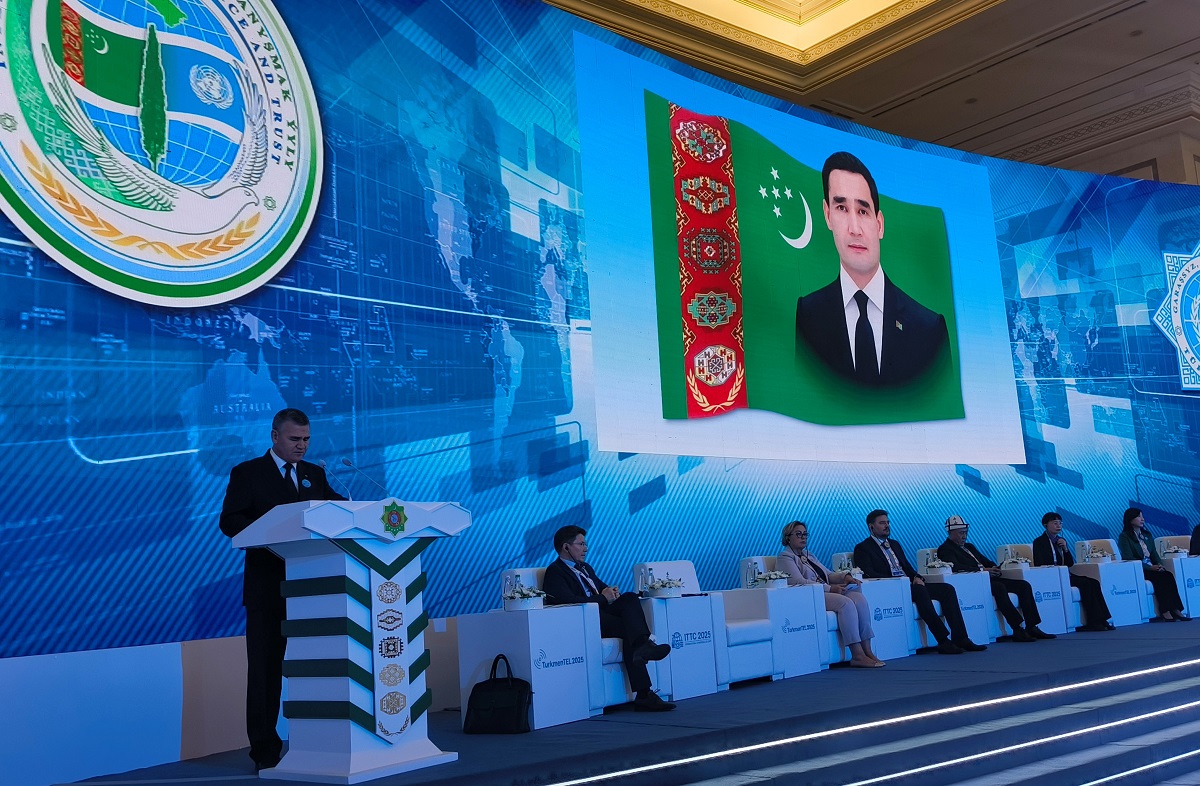
The delegation of Turkmenistan participates in the 88th session of the UNECE Inland Transport Committee

On 17 February 2026, the 88th session of the Inland Transport Committee (ITC) of the United Nations Economic Commission for Europe (UNECE) commenced its work in Geneva. The Committee is one of the key international platforms for the development of transport and transport policy.

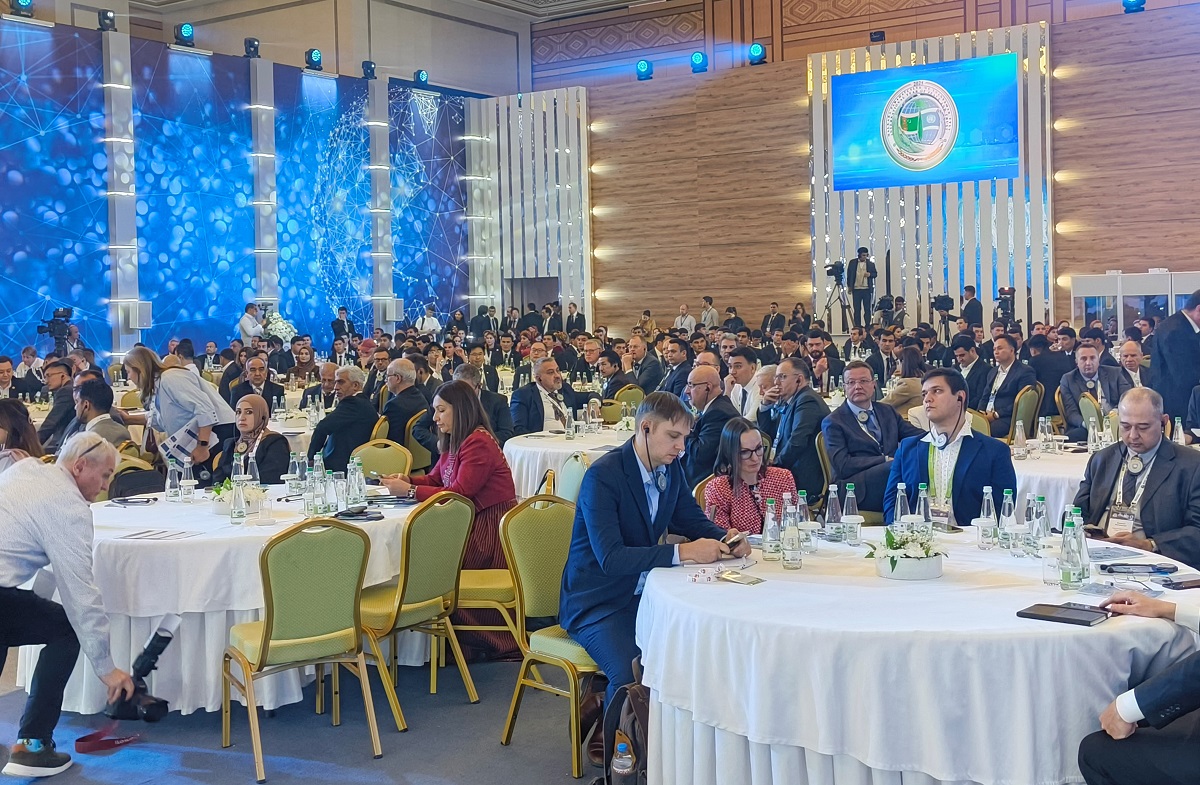
The current 88th session of the ITC brings together heads of transport authorities of Member States, leaders of international organizations, representatives of relevant institutions, the transport business community, and experts. The event is attended by the delegation of Turkmenistan headed by Deputy Chairman of the Cabinet of Ministers B. Annayev.

Priority agenda items include the automation of transport operations, digitalization of infrastructure, development of international transport corridors, and harmonization of the regulatory and legal framework.

The session is held under the overarching theme “Advancing Innovation for the Future of Inland Transport” and focuses on innovation, automation, digitalization, infrastructure development, and enhancing the resilience of international transport systems.

Within the framework of the High-Level Segment, ministerial panel discussions were held on the implementation of intelligent transport solutions, digital connectivity, and strengthening transport links in support of sustainable trade.

In his address during the High-Level Segment, the head of the Turkmen delegation emphasized that Turkmenistan regards the digital transformation of the transport sector as a strategic priority of state policy. Particular attention was paid to the systematic modernization of the regulatory framework in the field of electronic document management, the introduction of intergovernmental data exchange mechanisms, and the development of digital transport corridors along the North-South and East-West routes.

Special note was also made of the practical cooperation with UNECE, including in the digital transformation of multimodal transport and the development of automated data exchange systems.

The statement underscored the alignment of national initiatives with the global sustainable development agenda, including the Decade of Sustainable Transport 2026-2035 proclaimed at the initiative of Turkmenistan.

The session will continue until 20 February 2026.

Source

TIR innovations on the table at talks with IRU in Geneva

International organisation and customs chiefs, along with national authorities, met with IRU in Geneva this week to discuss transit measures and digitalisation.

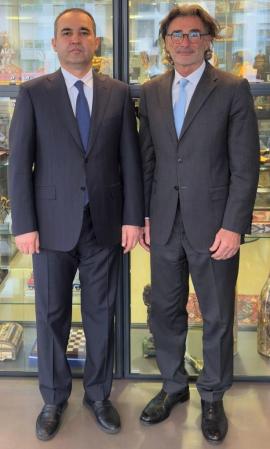
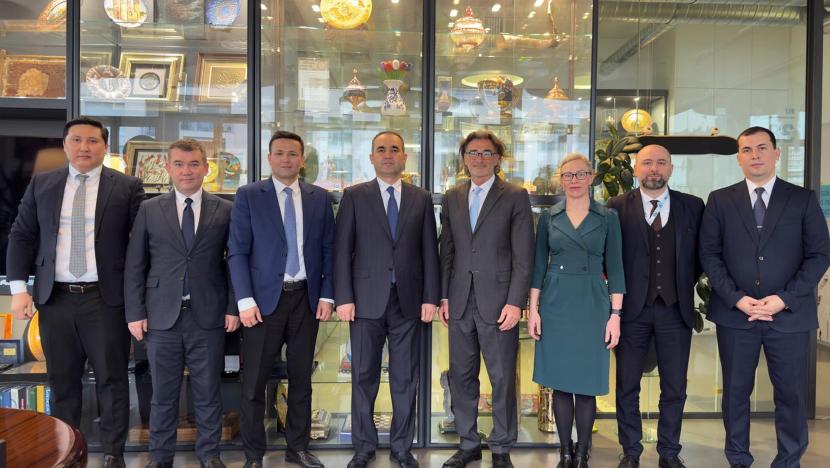
IRU Secretary General Umberto de Pretto has held a series of bilateral meetings with Akmalhoja Mavlonov, the Chairman of Uzbekistan’s Customs Committee, Kubanychbek Omuraliev, the Secretary General of the Organization of Turkic States (OTS), and representatives from the General Administration of Customs of the People’s Republic of China (GACC) and China’s Ministry of Transport.

Umberto de Pretto and Uzbekistan’s chief of customs discussed the implementation of transit procedures for high-value goods via Uzbekistan under the TIR system. This follows China’s recent expansion of TIR’s range of operations to include bonded cargo and all types of e-commerce commodities.

Following this development, GACC opened more than 200 new customs offices for TIR transport in China, mainly located in bonded customs zones and e-commerce distribution centres.

Uzbekistan’s chief of customs also informed IRU of a recent presidential decree requiring the full operationalisation of SafeTIR (an IRU customs control system for the management of TIR carnets) and TIR-EPD (TIR’s advance cargo information system). These measures are to ensure that all available security mechanisms are in place and fully used for further facilitation of transit.

OTS aims to have eTIR launched in the region by the end of the year and asked IRU to participate in a conference with the public and private sectors to accelerate its rollout.

The IRU-OTS bilateral followed an OTS customs meeting the day prior focused on border crossing facilitation through TIR Green Lanes; hubs supporting secure trade with TIR; the importance of building alternative routes connecting landlocked countries to ports; and digitalisation, including through eTIReCMR and AI solutions.

At the customs meeting, IRU presented the latest status of eTIR across OTS countries. IRU also requested the support of OTS in engaging with the region’s neighbouring countries located along key regional corridors on implementing eTIR, notably with Iran, Georgia and Tajikistan.

Together with UNECE, IRU called on OTS customs to finalise the technical implementation of eTIR without delay and operationalise eTIR in the first half of 2026 along the Türkiye–Georgia–Azerbaijan–Central Asia corridor.

Source

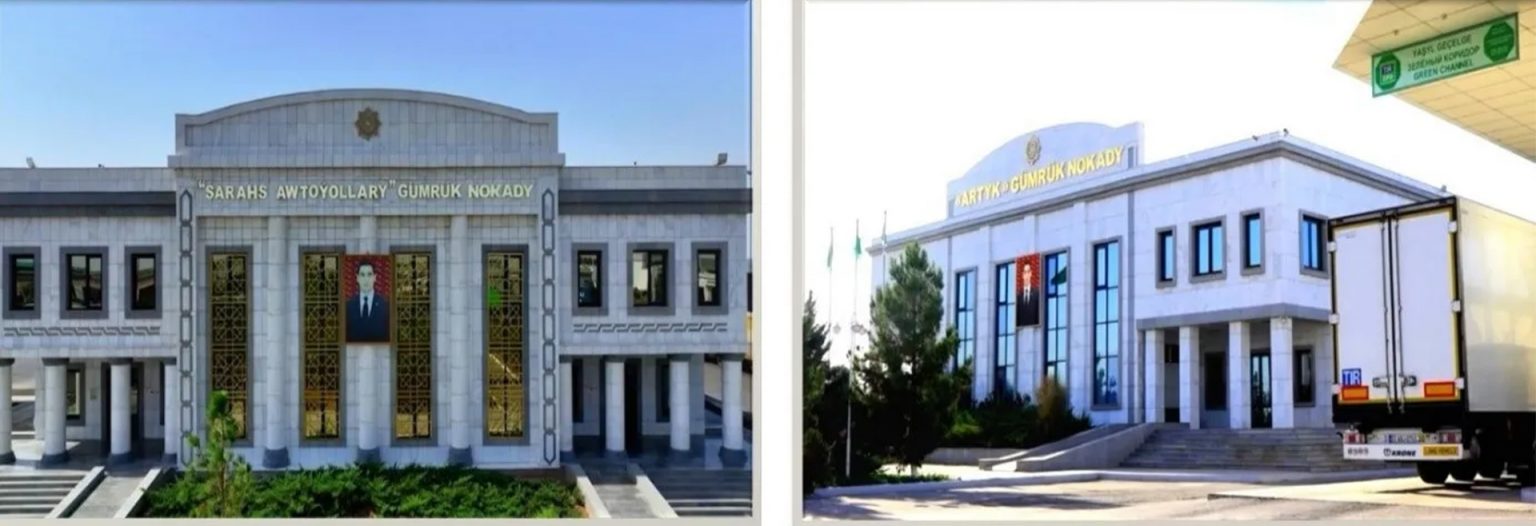
Reconstruction of the “Artyk” and “Sarahs awtoyollary” customs posts has begun in Turkmenistan

Construction work has begun on the reconstruction of the “Artyk” and “Sarahs awtoyollary” customs posts on the Turkmen-Iranian border. The State Customs Service of Turkmenistan is overseeing the construction, which is consistently working to increase the throughput capacity of border customs posts and improve the quality of customs services.

According to the Service’s website, construction work will be carried out by the private company “Ojar Asia” in 2025–2026.

The plan is to completely reconstruct the existing customs checkpoint buildings, as well as widely implement digital systems and automate customs procedures.

As a result, conditions will be created for a significant reduction in the time spent on customs control of vehicles and an increase in transit cargo.

We previously reported that reconstruction of the “Serhetabat” customs post on the Turkmen-Afghan border had begun.

Source

The Secretary General of the IRU Highly Appreciated the Foresight of Turkmenistan in the Development of Logistics Experience

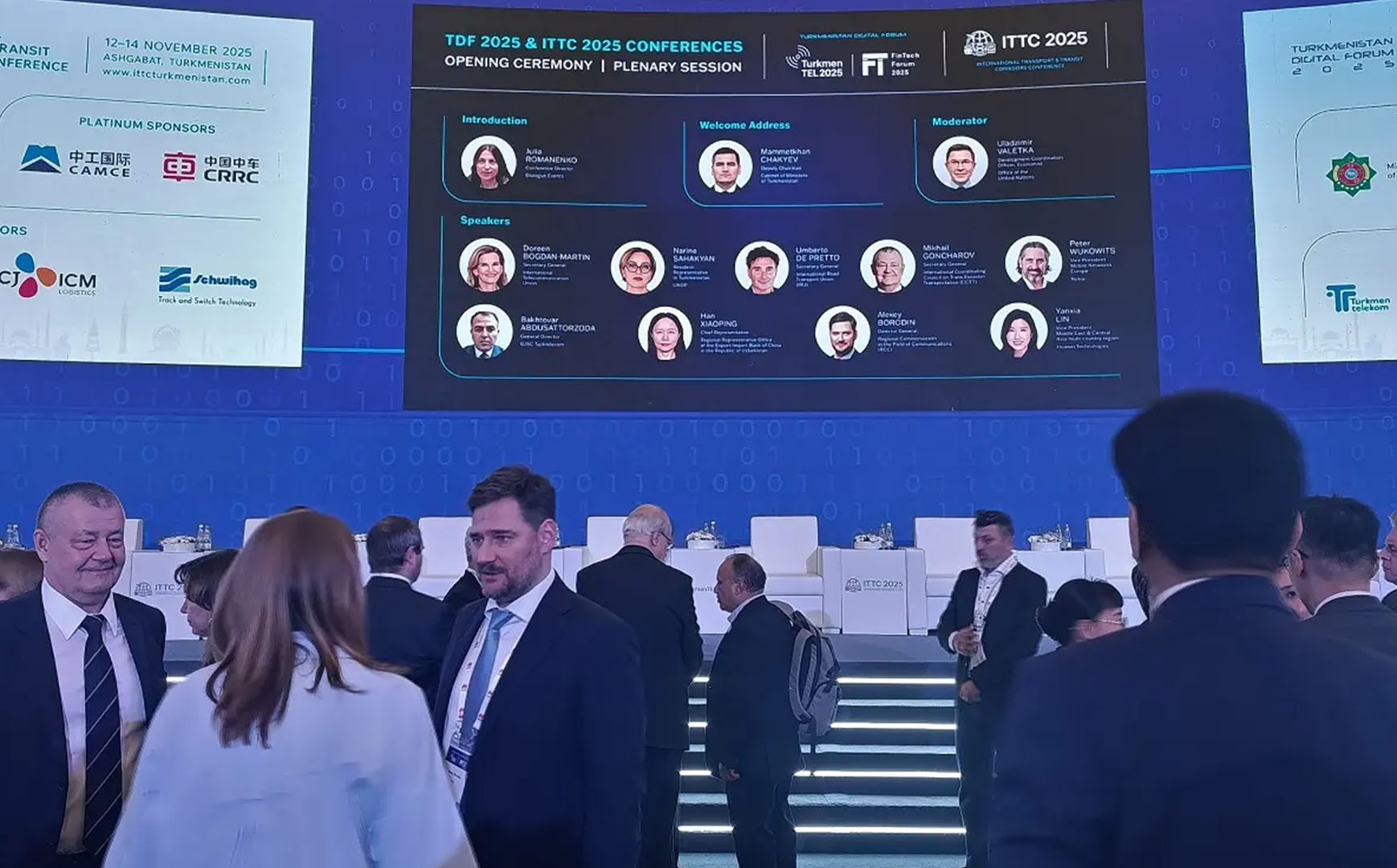
Ashgabat, November 12. A video message from Umberto de Pretto, Secretary General of the International Union of Road Transport (IRU), was delivered at the plenary session of the International Conference on Transport and Transit Corridors. His presentation on “Global Transport and Logistics: Challenges and Opportunities” highlighted Turkmenistan’s critical role in developing efficient, safe and sustainable transport systems in Central Asia.

Umberto de Pretto expressed deep gratitude to the leadership of Turkmenistan for their foresight in developing the country’s transit potential and their active work at the global level, including through the United Nations.

“Efficient, safe and sustainable transport and transit corridors are vital for landlocked countries such as Turkmenistan and other countries in the region. Efficient road transport is at the heart of all the UN Sustainable Development Goals,” the head of the IRU said, which unites more than 3.5 million road transport operators.

He noted that the IRU member in Turkmenistan, THADA, not only contributes to improving the quality of road transportation at the national level, but also is the voice of Turkmen operators within the global network.

The IRU Secretary General highlighted Turkmenistan’s leadership in efficiency, innovation and cooperation, noting that the country serves as an example for others in using harmonized international instruments.

The central theme was the TIR (International Road Transport) system, established by the IRU in 1949. Turkmenistan has not only been at the forefront of its use for decades, but is also actively promoting its full digitalization.

For further use of the MDP system, Turkmenistan has allocated priority lanes for MDP trucks at all major border crossings, which has significantly affected the country’s transit and logistics potential. Another striking example of innovation is international cooperation in the promotion of paperless consignment notes (e-CMR), developed under the auspices of the United Nations. Turkmenistan, like almost 40 other countries, has signed this protocol, and its full and rapid implementation will further stimulate trade and transit.

In conclusion, Umberto de Pretto noted Turkmenistan’s active position on the world stage, in particular, in the UN. A striking example was Turkmenistan’s initiative, enshrined in a resolution of the UN General Assembly, to establish World Sustainable Transport Day, which is now celebrated annually on November 26. According to him, this day is a unique opportunity to realize how important transport, especially automobile transport, is for the sustainable development and prosperity of the planet.

Source

Turkmenistan’s Deputy Prime Minister Outlined Key Areas of Cooperation in Transport and Communications

Ashgabat, November 12. Deputy Chairman of the Cabinet of Ministers of Turkmenistan Mammetkhan Chakyev spoke at the opening ceremony of the joint international events “Turkmentel-2025” and “International Transport and Logistics Corridors: Interconnectivity and Development-2025.” In his opening remarks, the Deputy Prime Minister outlined the state’s strategic priorities and emphasized the forum’s critical importance for strengthening international cooperation.

Mammetkhan Chakyev thanked the participants, noting that their willingness to share proposals for the implementation of advanced technologies and innovative solutions contributes to strengthening partnerships in transport and communications.

The Deputy Prime Minister emphasized that Turkmenistan is actively implementing large-scale programs aimed at modernizing the national economy, creating a modern transport infrastructure, developing the digital landscape, implementing e-government, and expanding the capabilities of artificial intelligence and cloud technologies.

Chakyev highlighted Turkmenistan’s advantageous geo-economic position, which opens up vast opportunities for realizing its international transit potential. The creation of new transport and communications infrastructure in the East-West and North-South directions was identified as an important factor in developing mutually beneficial trade and economic relations in the Eurasian region.

The city of Arkadag was cited as a prime example of the country’s digital development. The Deputy Prime Minister emphasized that this “smart” city is widely implementing advanced digital, information and communications, and green technologies.

“The introduction of 5G technology into the communications network this year, in honor of the city’s two-year anniversary, marks a new stage in our country’s digital development,” Mammetkhan Chakyev said.

In conclusion, the Deputy Prime Minister emphasized that the participation of over 80 foreign companies and over 350 delegations in the current events is direct evidence of Turkmenistan’s attractiveness to international investors. This success is directly linked to the country’s open-door policy and the creation of favorable political, economic, and legal conditions.

The Turkmen side expressed its readiness to discuss any proposals for mutually beneficial cooperation and the implementation of investment projects aimed at elevating the country to a new level of development among the world’s leading digital economies.

The program of the forum, taking place in Ashgabat, includes several key areas aimed at systemic development:

Turkmentel-2025 (Digital Transformation):

The role of digital transformation in sustainable economic development.

Smart and secure development of communications infrastructure.

Creating an ecosystem and funding opportunities for startups.

The “International Transport and Logistics Corridors” (Transit and Investment) section:

Cooperation and investment opportunities in the transport sector.

Regional connectivity and economic corridors.

Development of multimodal transport routes.

Innovation and digitalization in logistics.

The events will also include significant supporting events, such as the Fintech Forum, the International Startup Forum, and an International Telecommunication Union seminar on the implementation of AI in public administration.

Source

Turkmenistan is committed to cooperation with the International Road Transport Union

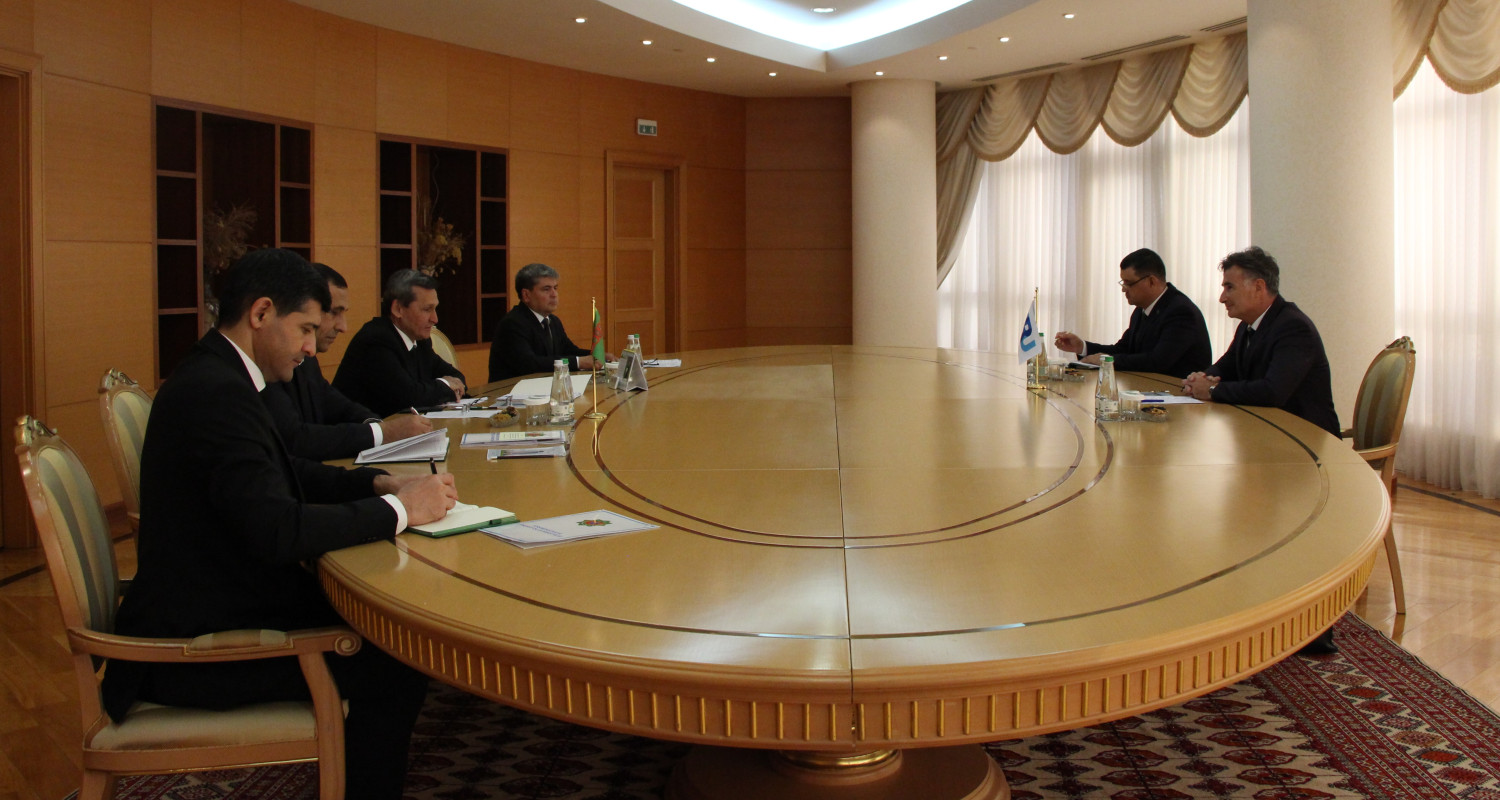
On 6 September 2024, a meeting was held in the premises of the Ministry of Foreign Affairs of Turkmenistan between the Minister of Foreign Affairs Rashid Meredov and the Secretary General of the International Road Transport Union (IRU) Umberto de Pretto.

During the meeting, the parties noted the positive cooperation experience between Turkmenistan and IRU, as well as defined further actions to improve interconnectivity between the countries through the development of multimodal transit-transport corridors and international logistics hubs, including digitalization of the transport industry.

The sides discussed collaboration on the UN platform and exchanged views on the activities of the Group of Friends of Sustainable Transport established at the initiative of Turkmenistan.

Umberto de Pretto noted the commitment of Turkmenistan’s leadership to improving transport infrastructure at the regional level, contributing to its efficiency and practicality by joining international documents.

The parties also discussed the issues of building expert capacity and developing the legal framework of cooperation. Preparations to the international conference on transport timed to the World Sustainable Transport Day in November in Ashgabat were discussed.

Source

Submission of advance electronic information about goods to the customs authority

In accordance with the Customs Code of Turkmenistan, from June 1, 2024, carriers or other interested parties are given the opportunity to submit advance electronic information about goods intended for import into the customs territory of Turkmenistan before their actual arrival.

Advance electronic information can be submitted to customs authorities through the customs information system «ASYCUDA World» and in accordance with the «Customs Convention of November 14, 1975 on the International Transport of Goods under cover of TIR Carnets (TIR Convention)» (IRU) TIR-EPD information system in Turkmen, Russian and (or) English.

Movement across the customs border of Turkmenistan and customs clearance of goods imported into the customs territory of Turkmenistan on the basis of provision of advance electronic information is carried out as a priority.

The submitted advance electronic information about goods subject to import into the customs territory of Turkmenistan, including transit transportation, is aimed at stimulating foreign trade activities by accelerating customs clearance by customs authorities.

Source

First TIR logistics hub opens in Western China in boost to pan-Asian trade

27 MAY 2024 · PROSPERITY

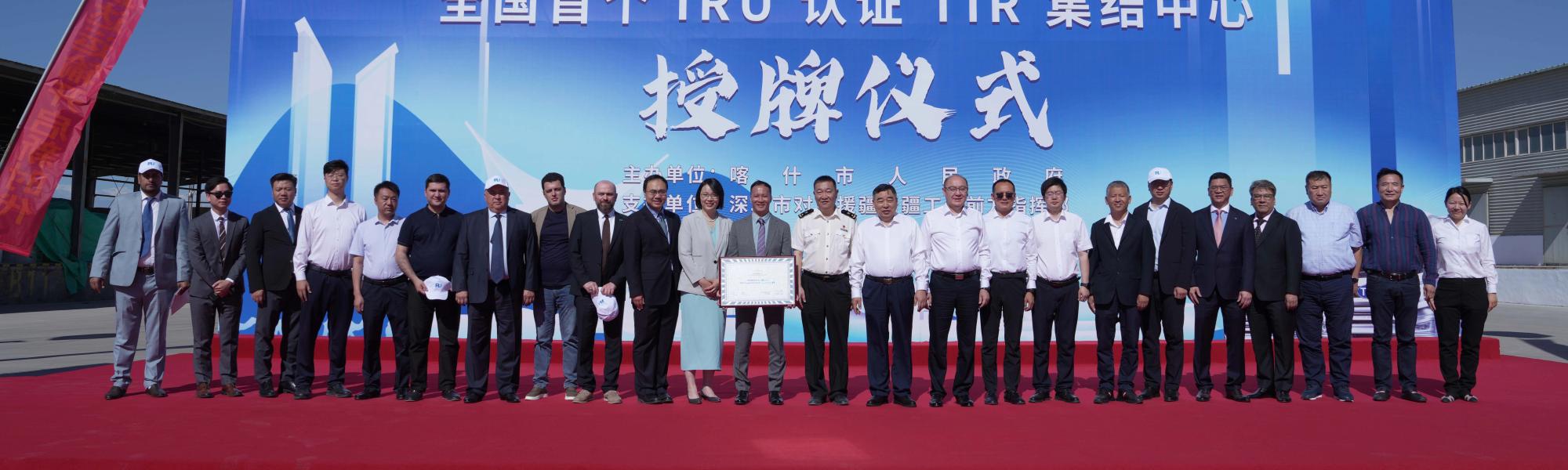
The first TIR Logistics Hub accredited by IRU has opened in Kashgar, Western China, offering a one-stop-shop for TIR transport companies, customs services and supply chain players.

A new TIR logistics hub accredited by IRU, the first-of-its-kind, was inaugurated yesterday in Kashgar, China, a major city and trade gateway in the western region of Xinjiang, close to Kyrgyzstan, Pakistan and Tajikistan.

The unique facility brings together all essential transit services under one roof: customs clearance, warehousing, cargo handling, route development, and transport capacity matching.

With TIR already boosting trade between China and Eurasia, the integrated approach of the hub will further streamline operations, boost efficiency and save costs for transport companies operating into Central and South Asia, as well as from China through to the Middle East and Europe.

IRU Secretary General Umberto de Pretto said, “I am delighted to welcome the inauguration of the first TIR logistics hub in China. Such secure route diversification will facilitate regional trade growth and make supply chains more resilient.”  

“IRU looks forward to collaborating with partners to leverage the resources and key role of the TIR logistics hub, as well as the benefits of TIR to further diversify and optimise trade routes linking China to Central Asia and beyond,” he added.

IRU Chief Representative of East and Southeast Asia Yan Zhou said, “In recent years, Kashgar has been making continuous efforts in TIR transport with regular operations along the China-Kyrgyzstan-Uzbekistan and China-Pakistan economic corridors. This has established a solid foundation for the launch of the Kashgar TIR Logistics Hub.”

“With the strong support of customs and transport authorities, local governments and industry partners, we are confident that the TIR logistics hub will create shared opportunities and contribute significantly to the development of China’s international road transport industry,” she added.

CEVA Logistics Vice President of Ground & Rail for Greater China and Global Cross Border & Multimodal Leader Kelvin Tang said, “I am honoured to attend the inauguration ceremony of the first TIR logistics hub accredited by IRU in China.

“As a pioneer of TIR solutions in China, CEVA has successfully opened TIR routes between China and Europe, Uzbekistan, Pakistan and Afghanistan since 2018. We have continuously invested in international road transport and TIR solutions. With the launch of this hub in Kashgar, I believe TIR will grow faster and become more widely used.”

“By working with IRU and our partners, CEVA is committed to providing our customers with transport services that offer significant time and cost savings under TIR,” he added.

Located in China’s north-west Xinjiang Region, Kashgar serves as a key logistics hub for goods transported between China and Central Asia, South Asia and other regions.

IRU will explore opportunities to establish TIR Logistics Hubs in other cities in China to further facilitate international trade between China and countries across Eurasia.

What is the TIR system?

The TIR system enables goods to be shipped from a country of origin to a country of destination in sealed load compartments that are controlled by customs via a multilateral, mutually recognised system.

TIR streamlines procedures at borders, reducing the administrative burden for customs authorities and transport and logistics companies. It cuts border waiting times significantly, saving time and money.

TIR is celebrating its 75th anniversary in 2024, marking the first agreement to establish the system by nine European countries in 1949 under the auspices of the United Nations Economic Commission for Europe.

The TIR system connects China with over 30 countries across Eurasia, offering more secure transport options that are over 80% faster and 50% cheaper. Twenty-eight Chinese cities have started TIR operations.

Source IRU

Greening transport needs a pragmatic approach, IRU tells ministers

23 MAY 2024 · ENVIRONMENT

Opening the 2024 ITF Summit of Transport Ministers in Leipzig, Germany, IRU Secretary General Umberto de Pretto has stressed the importance of a pragmatic approach to decarbonising commercial road transport based on proven, available efficiency measures.

Governments need to support proven efficiency measures, at the same time as alternative fuels investment, to decarbonise effectively, IRU told transport ministers and industry leaders from around the world at the opening plenary session of the annual Summit of the International Transport Forum (ITF).

“Greening the world road transport industry is our mission, and we can’t let crises – however grave – disrupt progress to carbon neutrality. But this will only happen if we decarbonise pragmatically,” said Umberto de Pretto.

IRU Green Compact research has found that the best way to achieve carbon neutrality by 2050 is for the industry and governments to deliver on two types of actions simultaneously: energy efficiency measures and alternative fuels implementation. 

Energy efficiency measures – available right now – can cut 50% of all CO2 emissions from commercial road transport from now through to 2050. 

A steady transition to new alternative fuels and the vehicles, infrastructure and business models needed to run them – including electricity, hydrogen and carbon-neutral biofuels – covers the other 50%.

The important point here is that both need to happen now and over time through to 2050. We need to act now on all fronts. ”UMBERTO DE PRETTOIRU Secretary General

IRU also emphasised the role of technology neutrality and warned against misguided forced modal shift policies.

Umberto de Pretto concluded, “Are we aiming to save the planet or a particular mode of transport? All modes need to work together to provide a full range of network services to users. We all need to work together, with each other, with governments, and with our clients, to keep greening transport.

“Transport operators – of all modes – know best how to operate services in the most efficient and, therefore, the greenest way possible. Trust in them and the power of a well-regulated market.”

IRU was joined by other notable government and international leaders at the opening plenary session. 

China’s Vice Minister of Transport, Yang Li, thanked IRU for its work with the Chinese government and the TIR system in helping China advance sustainable transport.

The United Nations Economic Commission for Europe’s Executive Secretary, Tatiana Molcean, also highlighted the crucial role of TIR in global supply chains.

Source IRU