Middle Corridor talks dominate BSEC-URTA 42

1 NOV 2023 · PROSPERITY

Discussions around the importance of the Middle Corridor and solutions to streamline trade along this increasingly vital and busy corridor took centre stage at the BSEC-URTA General Assembly in Baku.

Goods transport along the Middle Corridor and routes that skirt the southern shores of the Black Sea, between the Caucasus and Europe, has grown considerably in recent years, putting pressure on already congested borders and hampering cross-border operations.

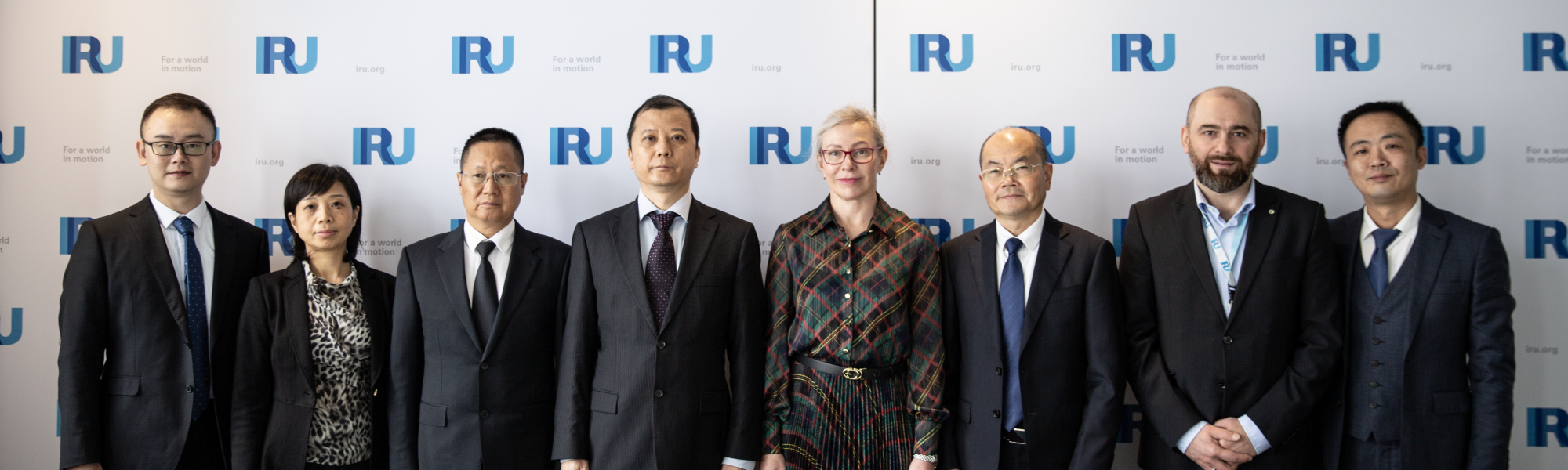
IRU’s President, Radu Dinescu, and Secretary General, Umberto de Pretto, outlined key steps to optimise trade in the Black Sea Economic Cooperation Organization (BSEC) region at the 42nd Meeting of the BSEC-URTA General Assembly, hosted by IRU member the Azerbaijan International Road Carriers Association (ABADA), in Azerbaijan. ABADA also hosted a special gala dinner with IRU members from the region to mark its 30th anniversary.

IRU President Radu Dinescu, who gave the opening remarks, said, “The Middle Corridor is flourishing.

“In 2022, transit via the Middle Corridor grew by 150% compared to 2021. From just December 2022 to January 2023, the container turnover in the Caspian Basin underwent a 5.5-fold increase. 

“Although this is great news for global connectivity and regional prosperity, we have a responsibility to ensure that goods flow efficiently and securely. Transport operators and drivers are suffering at borders due to long waiting times and additional costs.”

“BSEC countries are playing a crucial role in streamlining the Middle Corridor. We appreciate all efforts of BSEC-URTA to accelerate border crossings. We must continue working together to accommodate the ever-increasing freight volumes,” added Radu Dinescu.

As he outlined solutions and approaches to improve transport along the Middle Corridor, Radu Dinescu emphasised the importance of digitalisation.

“Together with UNECE, we are working on expediting the implementation of eTIR in the region, which should be accompanied by e-CMR, e-Visas and e-Permits. They all offer significant benefits and the ability to optimise transport operations,” highlighted Radu Dinescu.

“Finally, I would also like to highlight that Azerbaijan, Bulgaria and Greece are still not part of the BSEC permit system. I encourage them to join the system and take advantage of all it has to offer,” he added.

Based on the ever-growing success of the system, which was created 10 years ago, IRU and BSEC-URTA continue to advocate for increasing the number of permits and extending its geographical coverage.

Radu Dinescu ended his remarks by inviting all members and partners from the BSEC region to attend IRU’s 75th anniversary event in Istanbul on 15 November.

“I hope to see all of you in Istanbul for IRU’s 75th anniversary event, an opportunity to both celebrate our achievements and continue to work on facilitating trade along the Middle Corridor. I would also like to thank ABADA for hosting us in Baku and congratulate them on 30 years of advancing road transport and bringing prosperity to the region and beyond,” concluded Radu Dinescu.

Following the event, Umberto de Pretto and Azerbaijan’s Chairman of the State Customs Committee, Shahin Baghirov, discussed how customs procedures can be facilitated, including with eTIR and TIR/TIR-EPD Green Lanes.

Alat port

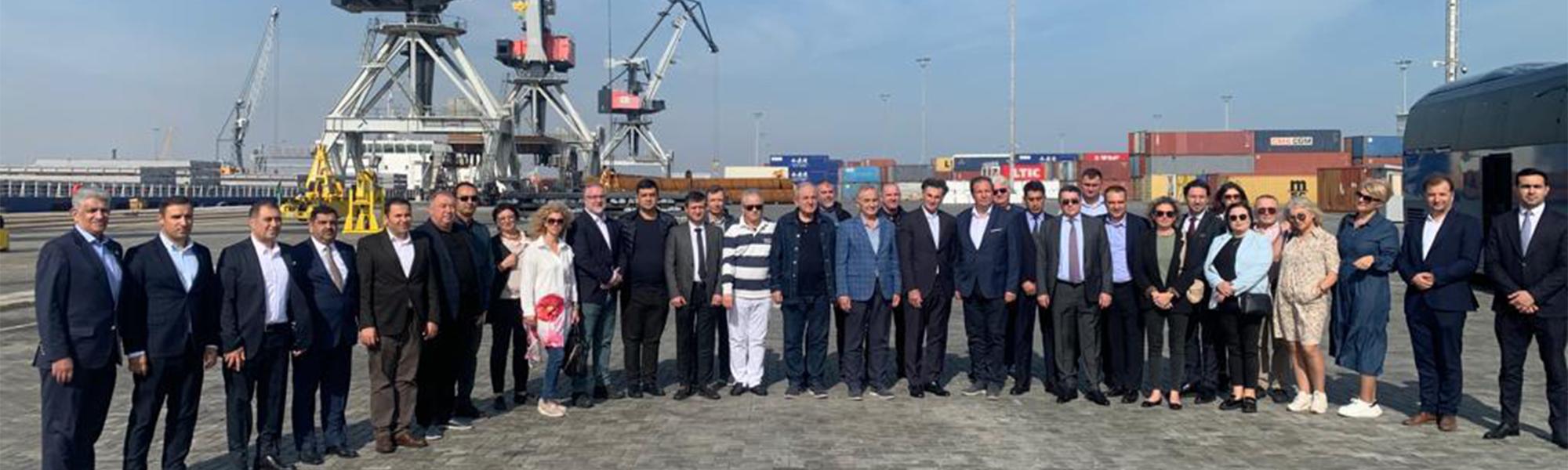
BSEC-URTA’s General Assembly concluded with a visit to Baku’s Alat Port, situated at the crossroads of the modern Silk Road and major transport corridors, to explore key challenges and opportunities facing the port.

During the visit, the port’s Chief Operations Officer, Eugene Seah, shared some of the innovations being pursued to maximise the port’s efficiency and sustainability. 

Source IRU

Powering the transcontinental Middle Corridor

31 OCT 2023 · PROSPERITY

The Middle Corridor reduces dependency on traditional transit corridors while offering a faster trade route. How do we maximise its potential? IRU outlined how in Tbilisi, Georgia. 

Trade along the transcontinental Middle Corridor is booming. 

Connecting China and Central Asia via the Caspian Sea with the Caucasus, Türkiye and Europe, the Middle Corridor is emerging as a pivotal route bridging continents, reshaping the global dynamics of transport and trade.

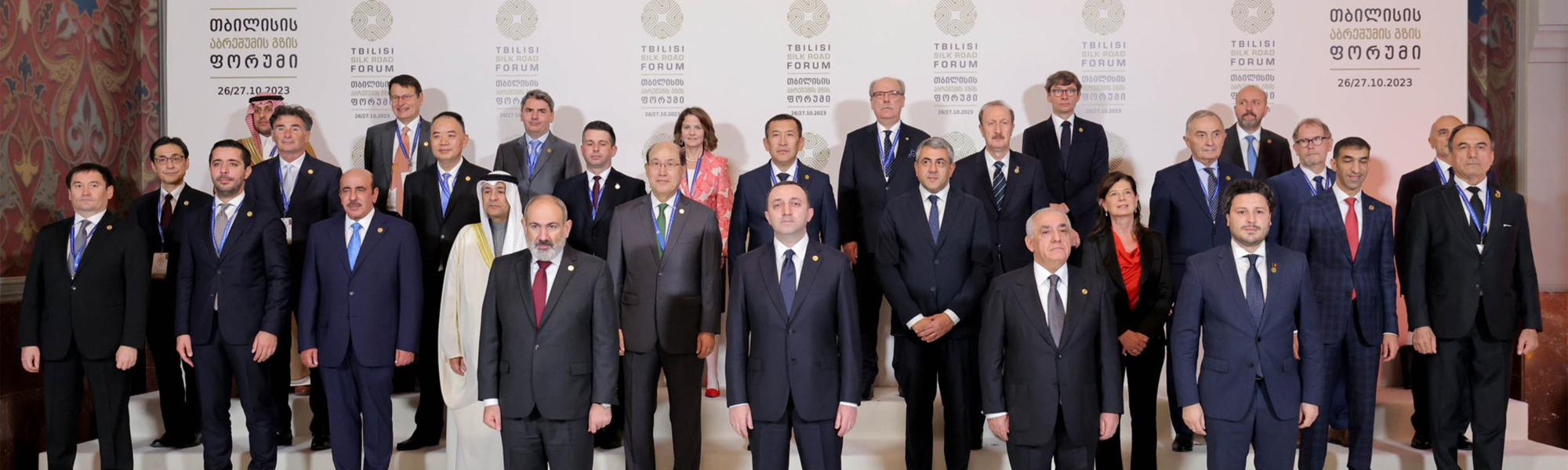
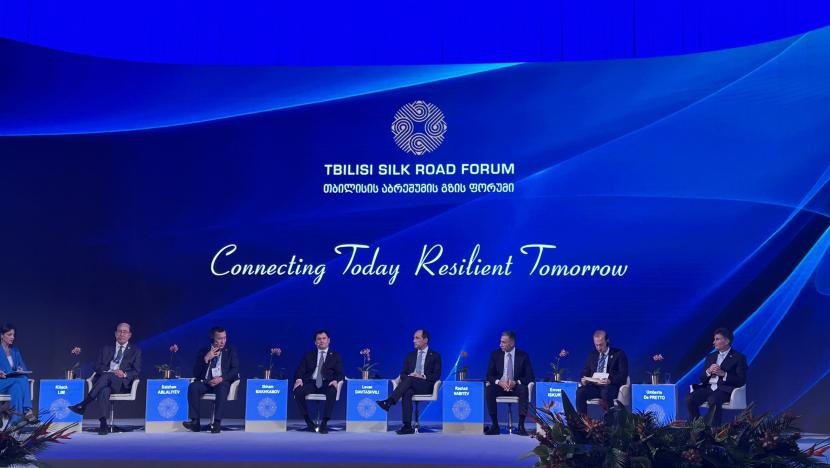
At the fourth edition of the Tbilisi Silk Road Forum, “Connecting Today Resilient Tomorrow”, in Tbilisi, Georgia, IRU’s Secretary General outlined the potential of the Middle Corridor, the challenges it’s facing due to ever-increasing trade volumes, and solutions to boost its efficiency and security.

On a panel with ministers from Azerbaijan, Georgia, Kazakhstan, Türkiye and Uzbekistan as well as the Secretary-General of the International Maritime Organization, IRU Secretary General Umberto de Pretto said, “The Middle Corridor, the shortest route between China and Europe, is experiencing ever-growing flows of goods.

“From January to August 2023, freight volumes from China to Europe along the Middle Corridor increased by over 80% compared to the same period last year. All signs point to more goods moving through the Middle Corridor in the years to come.”

“We must ensure that the countries and borders along the Middle Corridor can efficiently and securely manage greater volumes,” he added.

IRU has been working with its members and customs authorities to maximise the efficiency and security of borders along the Middle Corridor. The growth in trade volumes is putting pressure on already congested borders, markedly slowing down cross-border transport operations.

Earlier this year, Umberto de Pretto visited one of the key borders along the Middle Corridors: the increasingly congested Sarp-Sarpi border between Georgia and Türkiye.

“We’ve witnessed firsthand the importance of fully mobilising international harmonised instruments such as TIR and CMR, which are used in all countries along the Middle Corridor, to ensure the security and transparency of transit movements and reduce business costs,” highlighted Umberto de Pretto.

“Digitalising tried-and-tested instruments such as TIR would further help to handle the growing flow of goods without compromising security,” he added.

Umberto de Pretto also pointed out how long waiting times negatively impact driver shortages, stressing that truck driver shortages will not be solved without accelerating border crossings and improving working conditions. He also underlined that border authorities should focus on how long it takes drivers to cross borders, rather than the duration of the customs procedures.

“Inefficiencies are creating bottlenecks. Drivers are stranded for days at ports and borders, which is also resulting in huge financial burdens for traders and transport operators. Trade facilitation tools were developed for exactly this purpose: to streamline border operations. There is no good reason for drivers and goods to be stuck at borders for days,” said Umberto de Pretto.

“A vital gateway to markets, the Middle Corridor represents opportunities that span far beyond its geographical boundaries,” he concluded.

Umberto de Pretto also held high-level talks with H.E. Jasem Mohamed AlBudaiwi, the Secretary General of the Gulf Cooperation Council (GCC). The two discussed the importance of introducing the TIR system into the GCC Customs Law, as was done with the Authorised Economic Operator earlier this year.

The Tbilisi Silk Road Forum, attended by 1,200 participants from over 60 countries, was organised under the patronage of H.E. Prime Minister of Georgia, Irakli Garibashvili.

Source IRU

Head of Iranian customs and IRU weigh key regional opportunities

13 OCT 2023 · PROSPERITY

Given Iran’s growing role in regional trade, IRU and Iranian customs explored avenues to further optimise border crossings and key corridors.

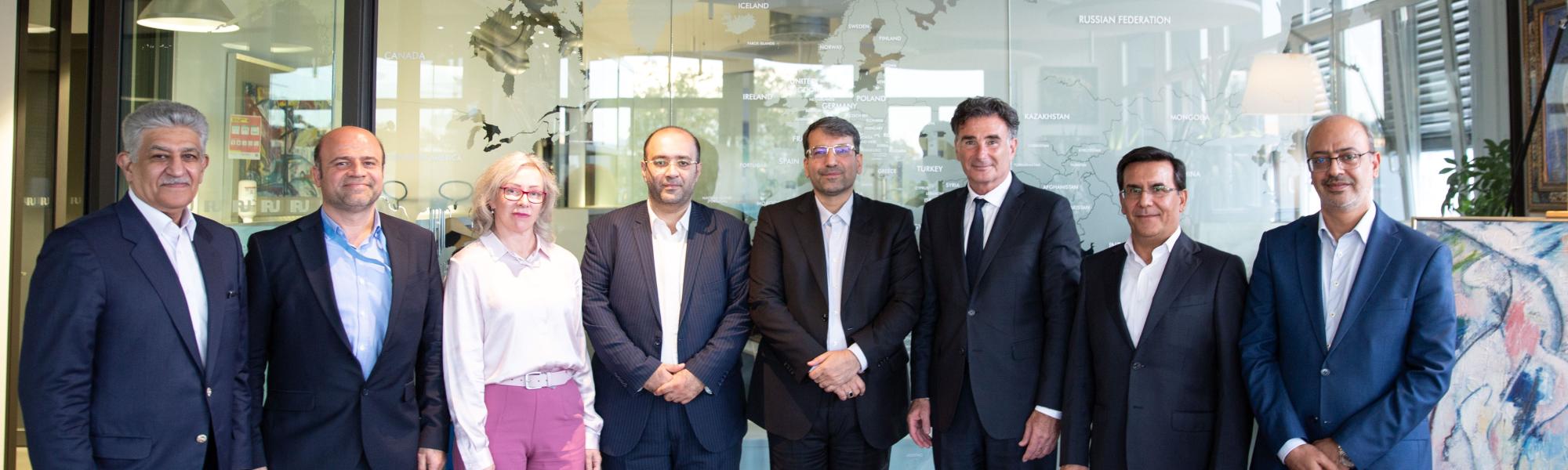
IRU’s Secretary General held high-level talks with Mohammad Rezvanifar, President of the Iranian Customs Administration, in Geneva on how to further enhance transport and transit in Iran.

Both sides discussed the latest developments in international logistics chain, particularly given Iran’s pivotal geographical position and its active role in the Economic Cooperation Organization region, which makes it a key transit country connecting east and west as well as north and south.

Regarding east-west corridors, Umberto de Pretto highlighted that the southern corridor connecting China to Europe via Turkmenistan, Iran and Turkey has great potential with high capacity. Streamlining border crossings and simplifying customs procedures, including by implementing best practices and global standards such as the TIR system, could reduce the costs and time of transport and optimise corridors crossing Iran.

Reducing physical controls by using the only global secure transit system, implementing TIR-EPD green lanes, digitalising customs documents, encouraging seamless transport rather than the transhipment of goods at borders, and transferring import and export customs formalities from borders to inland customs offices would reduce the congestion at borders and increase transit volume.

Both sides agreed to work together to streamline border crossings and facilitate transit in Iran, including by conducting a study on the challenges during transit to provide recommendations on how to increase trade and transit volumes.

Source IRU

US trucking in global dialogue with IRU on industry challenges

18 OCT 2023 · PROSPERITY

IRU’s Secretary General unpacked pressing developments, particularly driver shortages and decarbonisation, facing the trucking industry in the United States and beyond at ATA’s Management Conference & Exhibition.

Umberto de Pretto outlined solutions to driver shortages and decarbonisation at IRU member the American Trucking Associations’ (ATA’s) 2023 Management Conference & Exhibition (MCE) in Austin, Texas.

In conversation with ATA President and CEO Chris Spear, Umberto de Pretto said, “We need to strike the right balance between cutting CO₂ emissions and continuing to effectively meet demand for our services. And we certainly need to consider regional and national specificities, there is no one-size-fits-all solution. More importantly, carriers should have the freedom to choose what’s best for their operations.”

“We must also focus on actions we can take right now, such as driver training and eco-trucks. Two eco-trucks can transport the cargo of three standard trucks. Eco-driving training can reduce fuel consumption by up to 15%,” highlighted Umberto de Pretto.

“Don’t get me wrong, these solutions are not easy to implement, but they are feasible measures that we can take right now to reduce CO₂ emissions,” he added.

Umberto de Pretto also touched on the importance of public-private partnerships. “Governments must support us and provide the investment and incentives needed for trucking companies in each region to decarbonise”.

Chris Spear and Umberto de Pretto then pivoted to chronic driver shortages. “Most regions are facing a growing shortage of truck drivers, which is posing significant risks to the supply chains that we all rely on. What is even more concerning is the low rate of young people entering the profession. The trucking industry has an ageing driver population that we must structurally address. The industry desperately needs more young people,” said Umberto de Pretto.

Umberto de Pretto also focused on a historical challenge facing truck carriers and drivers across the globe: long border queues.

“How can we attract and retain drivers, including women, given that drivers are often stranded at borders for days, sometimes weeks? How can we strive to reduce our CO₂ emissions while our trucks waste fuel inching ahead, ever so slowly, idling in seemingly never-ending queues? What makes it worse is that we have solutions, such as the TIR system. Countries in Asia and the Middle East are embracing TIR. But, unfortunately, the political will is not there in every country and region.”

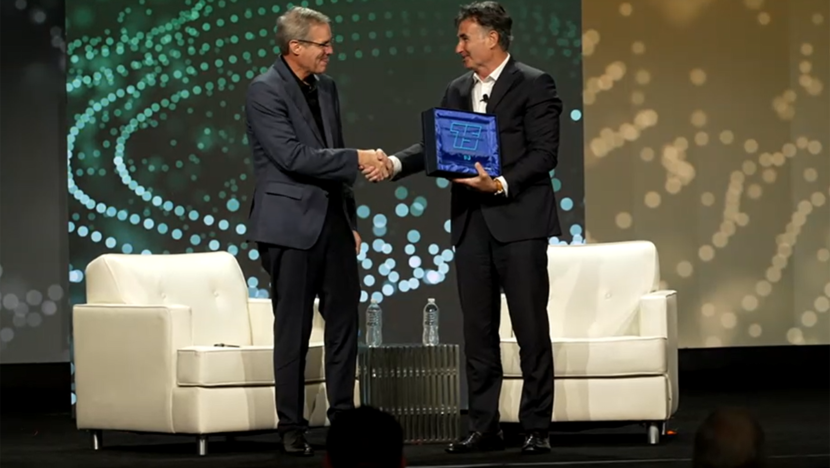
Umberto de Pretto concluded his presentation by presenting Chris Spear with a special plaque marking IRU’s 75th anniversary and commemorating ATA and IRU’s long-standing partnership dating back to the 1960s.

Source IRU

Intercontinental TIR transport slashes Europe-Middle East transit by 77%

5 OCT 2023 · PROSPERITY

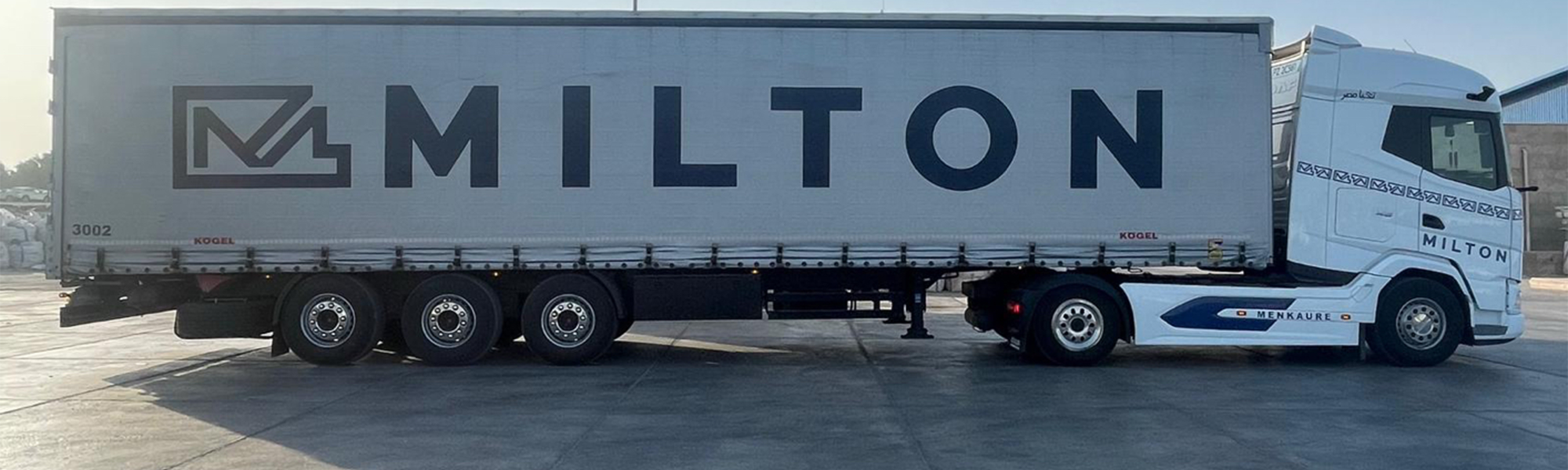
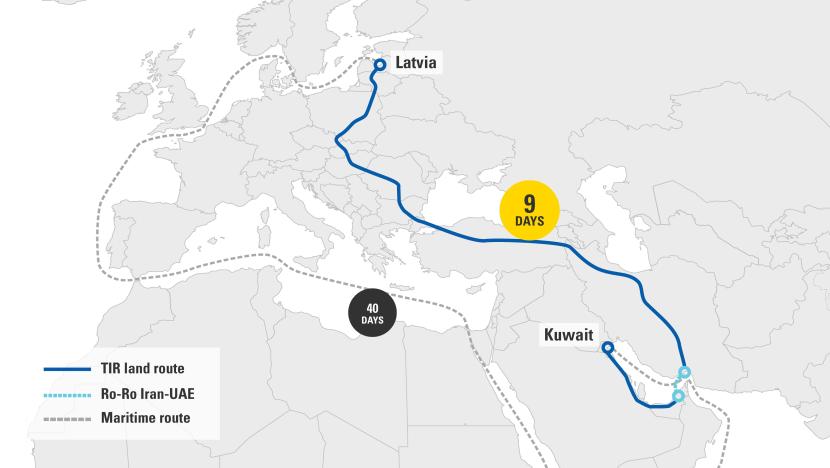
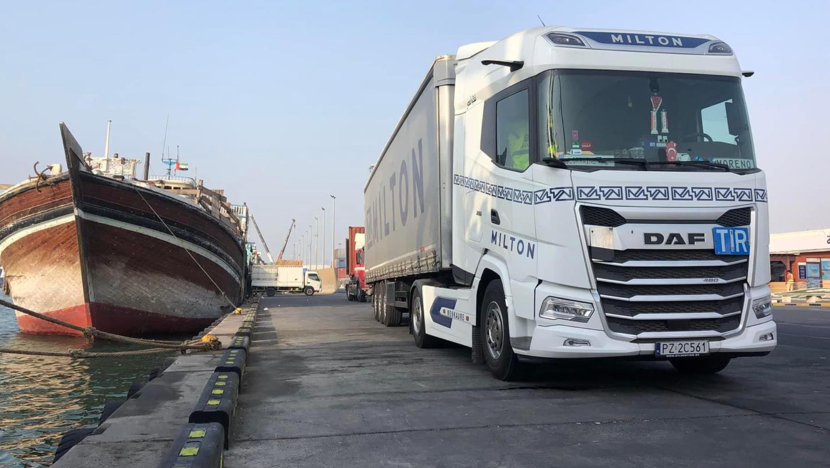
Rather than taking 40 days by sea, the Milton Group transported goods from Europe to the Middle East with TIR – crossing 13 countries – in just nine days.

Goods are often transported from Europe to the Gulf Cooperation Council region by air or sea.

The Milton Group decided to try something different: road transport with TIR.

By opting for the only global transit system, TIR, the Milton Group was able to complete a 40-day maritime journey in just nine days.

The goods departed from Latvia and transited Lithuania, Poland, Czech Republic, Slovakia, Hungary, Romania, Bulgaria, Türkiye, Iran via the Bandar Abbas port and then to the United Arab Emirates using a Ro-Ro vessel and finally the Kingdom of Saudi Arabia, before arriving at its destination in Kuwait.

Two drivers alternated to drive through the 13 countries according to regional driving and rest time rules.

As the only global transit system, the TIR system allowed the truck to seamlessly pass countries and customs along the way.

Milton Group CEO Katarzyna Kazmierska-Kassem said, “The decision to use TIR was a no-brainer. Without it, we would not have been able to offer a competitive transit time, nor deal with the transit formalities in each country individually. I don’t think this route is possible without TIR.”

IRU Director of TIR and Transit Tatiana Rey-Bellet said, “Congratulations to the Milton Group for accomplishing this remarkable TIR journey. TIR proved that Middle Eastern and European markets can be brought even closer, ultimately reducing not only transit times and costs, but also administrative and coordination burdens.”

“We also very much appreciate the critical role that IRU members played along the way in helping the Milton Group pioneer this route with the TIR system, cutting transport times between Europe and the Middle East by nearly 80%,” she added.

The Milton Group is not alone in mobilising the benefits of TIR to transport goods eastwards from Europe.

A Moldovan operator recently used TIR to transport goods from Europe to India via Türkiye and the Bandar Abbas port in Iran, connecting Europe to South Asia in record time.

What is TIR?

The TIR system enables goods to be shipped from a country of origin to a country of destination in sealed load compartments that are controlled by customs via a multilateral, mutually recognised system.

TIR streamlines procedures at borders, reducing the administrative burden for customs authorities and transport and logistics companies. It cuts border waiting times significantly, saving time and money.

Source IRU
New TIR associations consultative group established by IRU and ECO

4 OCT 2023 · PROSPERITY

The first meeting of the newly created “Economic Cooperation Organization-TIR National Associations Consultative Group (ECO-TIRACG)” reviewed the group’s key responsibilities as well as border optimisation opportunities.

The new group was created to provide inputs to ECO bodies on issues and challenges related to transport and transit. The group will be particularly focused on enhancing the benefits of TIR for both the public and private sector in the ECO region.

The secretaries general of IRU and ECO, Umberto de Pretto and Ambassador Khusrav Noziri, opened the meeting.

IRU Secretary General Umberto de Pretto welcomed the establishment of the group, “I am confident that this group will play an important role and contribute to ECO’s efforts facilitating international transport and transit.”

“The group’s inputs and recommendations to ECO and its relevant bodies could significantly help member states in taking decisions and pursuing policies based on facts and what is actually happening on the ground,” he added.

ECO Secretary General Ambassador Khusrav Noziri said, “The role of the private sector in the development of transport connectivity cannot be overemphasised. We believe that the Consultative Group of ECO-TIR Issuing and Guaranteeing Associations will act as a much needed platform for a constructive public-private partnership and contribute to achieving the connectivity goals of ECO in the transport sector.”

During the meeting, the ECO Secretariat outlined transport and transit structures and bodies that ECO-TIRACG could provide inputs for consideration by member states.

The ECO-TIRACG meeting also looked at pressing border-crossing challenges, as well as solutions and border optimisation best practices, including TIR Green Lanes, intelligent queueing and e-queueing mechanisms, digitalisation, visa and permit facilitation, and the removal of repetitive and unnecessary customs controls.

The meeting ended with proposals on how public and private actors can work together to improve border crossings.

ECO-TIRACG was created following the ECO Ministers of Transport’s decision requiring its Secretariat to work with IRU to set up a group that provides inputs to ECO bodies on issues and challenges related to transport and transit.

ECO has ten member states: Afghanistan, Azerbaijan, Iran, Kazakhstan, Kyrgyz Republic, Pakistan, Tajikistan, Türkiye, Turkmenistan, and Uzbekistan.

Source IRU

New UNECE Executive Secretary and IRU Secretary General hold first meeting

3 OCT 2023 · PROSPERITY

IRU’s Secretary General and UNECE’s new Executive Secretary held their first meeting today, reinforcing the two organisations’ long-standing partnership, with an eye on the future of road transport.

Umberto de Pretto and the United Nations Economic Commission for Europe’s (UNECE’s) new Executive Secretary, Tatiana Molcean, discussed the TIR system, the road to net-zero emissions and the UN World Sustainable Transport Day during their first meeting.

The two organisations have been working together for 75 years to improve trade and road transport, notably with the TIR system, the longest-standing UN public-private partnership. IRU has been the United Nations’ designated partner for the implementation of the TIR Convention since its adoption.

Umberto de Pretto and Tatiana Molcean discussed the need to accelerate the digitalisation of TIR and CMR to further maximise their contribution to safe, efficient and green road transport.

Beyond the TIR system, the two organisations have worked closely as partners on many issues over the past 75 years, driving global road transport standards.

Umberto de Pretto shared the road transport industry’s roadmap to reaching carbon neutrality by 2050, as outlined in IRU’s Green Compact. Based on a scalable approach, the Green Compact allows all regions to decarbonise road transport as rapidly and effectively as possible.

Source IRU

Transport ministers and IRU talk development priorities at major China forum

2 OCT 2023 · PROSPERITY

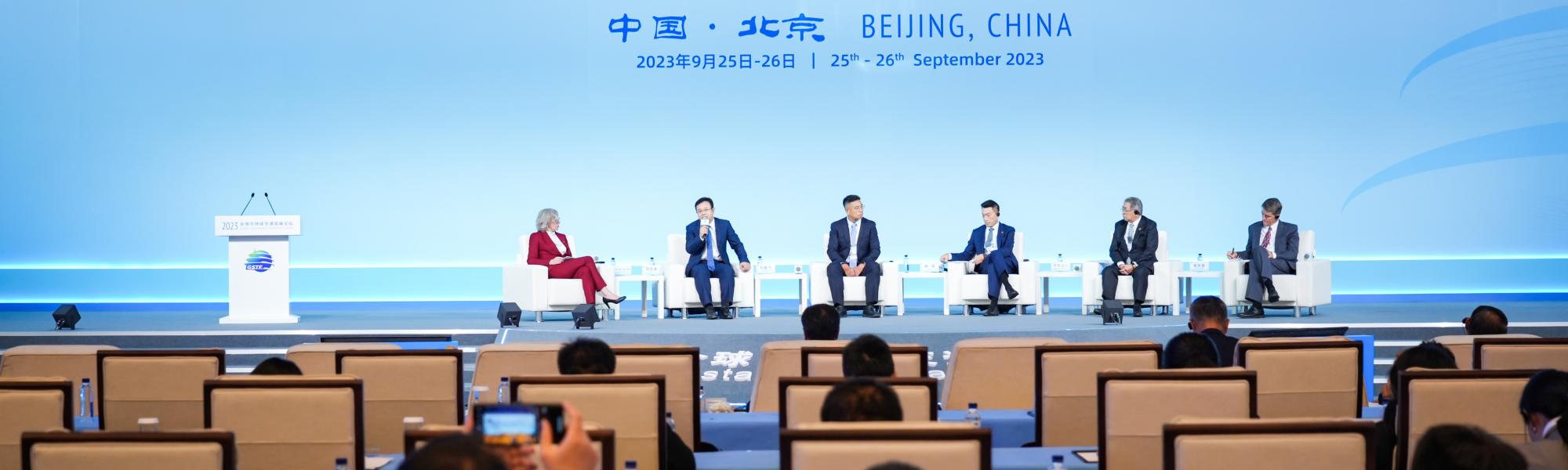
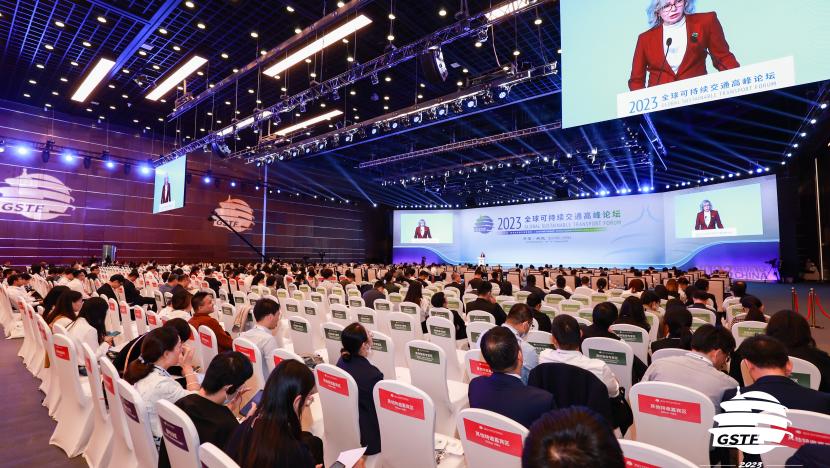
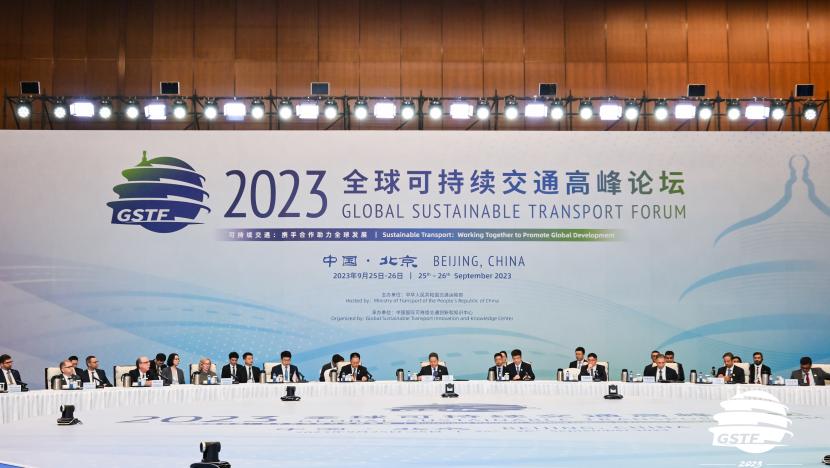
IRU outlined key road transport opportunities with global transport ministers and industry leaders at China’s Global Sustainable Transport Forum in Beijing.

The Forum, hosted by China’s Ministry of Transport, brought together some 1,000 participants from China and abroad to exchange on sustainable development plans and promote international cooperation in the transport sector, in line with advancing the 2030 agenda.

IRU Director of TIR and Transit Tatiana Rey-Bellet gave a keynote speech at the plenary session promoting connectivity in the digital age, highlighting IRU’s efforts in advancing TIR, other UN conventions and global standards to enhance connectivity.

Tatiana Rey-Bellet also moderated the session “Common development: Leaving no country or no one behind”. The speakers weighed solutions to road transport connectivity imbalances among various countries and groups, and how sustainable transport can contribute to our common development.

IRU also participated in the Ministerial Roundtable, “Global governance, building a global sustainable transport partnership”.

Li Xiaopeng, China’s Minister of Transport, chaired the roundtable with over 20 ministerial-level transport officials and high-level representatives from international organisations. The speakers shared their experiences in developing sustainable transport with in-depth exchanges on strengthening global transport cooperation.

China-Europe corridors

IRU co-hosted a side event together with the China Transport Telecommunications and Information Center on emerging opportunities and challenges along major road transport corridors connecting China and Europe.

The event was attended by transport and customs authorities, IRU members, logistics companies, development organisations and research institutions from countries along east-west corridors.

Han Jinghua, the Deputy Director General of the Ministry of Transport of China, recognised the benefits of TIR in his opening remarks, highlighting that the implementation of the UN’s TIR Convention in China has improved conditions for the development of international road transport between China and Europe.

He also emphasised that China will continue to prioritise China-Europe international road transport cooperation. China aims to gradually enhance transport and trade facilitation along China-Europe corridors by driving both hard and soft infrastructure, accelerating the building of international road corridors, and optimising China’s international road transport agreements.

IRU members AIRCUZ, BAMAP, CRTA, CEVA Logistics and ZZHY also shared their experiences, insights and best practices related to the development, resilience and diversification of China-Europe corridors. 

75th anniversary and New Industry Shapers

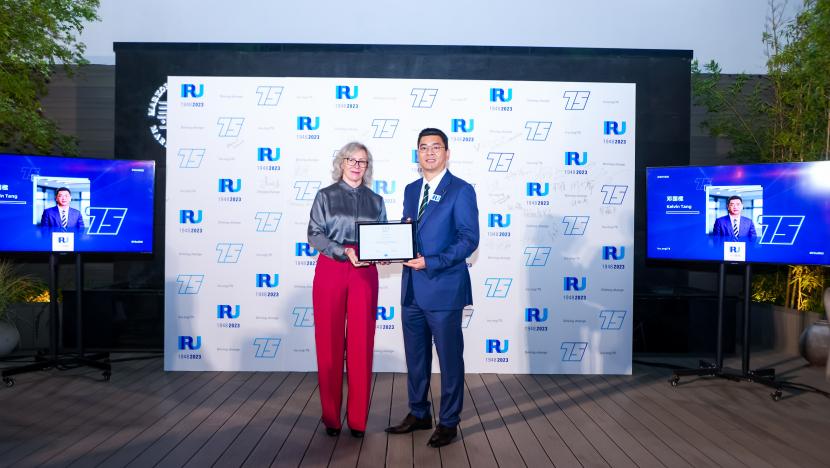
Following the Forum, a special event was organised to mark IRU’s 75th anniversary with members, transport and trade figures, as well as ten IRU New Industry Shapers from the region: unique individuals and innovators leading the industry into the future.

IRU New Industry Shaper

Finally, a signing ceremony was held for IRU’s Charter 75, an industry pledge reinforcing the road transport industry’s commitment to help people in times of crisis.

The digital version of the IRU Charter 75, available in six languages, can also be signed online.

Source IRU

Figure of the month: 77%

29 SEP 2023 · PROSPERITY

Who is doing the heavy lifting? 

They say road transport is the backbone of the economy. And there’s a reason for that.

Road transport is a vital means of delivering goods to people, connecting businesses and supporting economies.

Goods come in many shapes and sizes and are transported across various distances.

As the only door-to-door solution, road transport’s versatility allows it to cover both long and short distances, from long-haul to last mile deliveries.

Without trucks, freight transport will grind to a halt.

Trucks transport about 77% of the EU’s total freight volume.

But this – already high – figure is based on the amount of weight moved over a distance, known as the tonne-kilometre (tkm) measure.

This approach, by definition, tilts the figures in favour of modes that move heavy weights over very long distances.

If freight transport volumes were measured in monetary terms, the share of road transport would be much higher. To measure sustainability more accurately, relevant monetary measurements should be favoured over the distance and weight approach.

These measures, whether in tkm or monetary terms, illustrate the indispensable role of trucks in getting goods to people and keeping supply chains ticking.

However, truck operations are under threat by the chronic shortage of drivers.

As reported in IRU’s driver shortage surveys in recent years, the truck driver profession has an ageing population, with a limited share of both young people and women. 

Without action to improve the accessibility and attractiveness of the profession, transport operations – and the people, communities and economies that rely on them – could be under significant threat in the years to come.

But there are proven solutions to prevent the shortage from escalating.

Solutions include harmonising the minimum driving age at 18, subsidising licence and training costs for new drivers, and building more safe and secure truck parking areas.

Join us for our online webinar – on 18 October – for the latest best practices to attract more young people and women to the profession.

We’ll start the webinar with a rundown of the current and forecasted truck driver shortage figures.

Register Now

September’s figure of the month is based on IRU’s members-only EU Road Freight Transport Trends Intelligence Briefing.

The Briefing breaks down EU road goods transport trends, offering insights into the national versus international transport split, freight volume distribution by country, type of goods and distance travelled, and much more.

Source IRU

Road safety, trade and sustainability top IRU and Qatar talks

27 SEP 2023 · PEOPLE

IRU Secretary General Umberto de Pretto and H.E. Engineer Hamad Essa Abdulla, Qatar’s Ministry of Transport Acting Assistance Undersecretary for Land Transport Affairs, held high-level talks in Geneva on key road transport challenges.

Qatar’s Ministry of Transport is committed to eliminating all traffic fatalities and severe injuries, with a special focus on reducing human error, the leading cause behind more than 85% of road accidents.

To support safety and quality in commercial road transport, IRU and Qatar’s Ministry of Transport have been championing professional excellence. The two have partnered to introduce road transport regulations and internationally recognised standards, including rules and best practices for the transport of dangerous goods.

Following the activation of the TIR system in Qatar in 2021, IRU has been working closely with Qatari authorities and the Qatar Chamber of Commerce and Industry to boost transit efficiency and cement Qatar’s position as a state-of-the-art trade and transit hub in the Gulf Cooperation Council (GCC).

Transport efficiency is also central to achieving the road transport industry and Qatar’s objective of becoming carbon neutral by 2050, as set out in IRU’s Green Compact and the Transportation Master Plan for Qatar 2050.

Source IRU