IRU spotlights road transport’s decarbonisation role at ministerial event

12 DEC 2023 · PROSPERITY

At a key Central Asian ministerial conference, IRU outlined how the TIR system can drive decarbonisation.

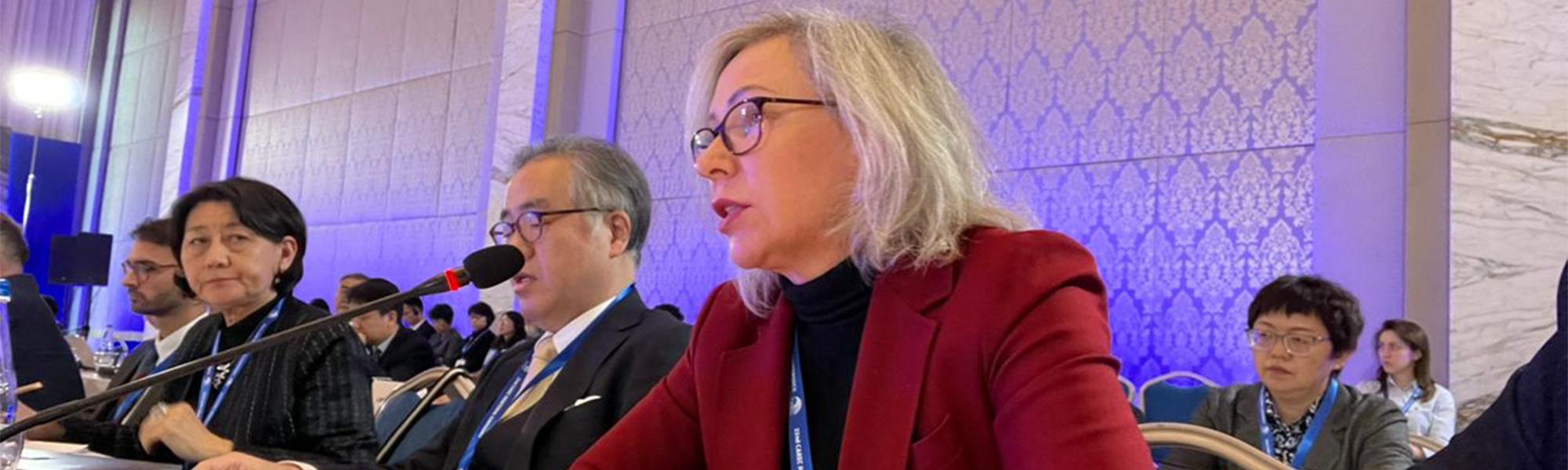
During the 22nd Central Asia Regional Economic Cooperation (CAREC) Ministerial Conference in Georgia, IRU unpacked how road transport and intermodality can facilitate trade and reduce carbon emissions associated with freight transport.

IRU Director of TIR and Transit Tatiana Rey-Bellet said, “The reduction of waiting times at borders, a historic mission of IRU, boosts both the efficiency and sustainability of trade, reducing freight transport’s carbon emissions. It’s a quick but significant win, which simply requires adjusting border procedures based on cargo risk profiling.

“TIR Green Lanes, which are already used in the region, are meant for exactly this purpose. Having Green Lanes on both sides of the border will be a step towards joint border controls, which is the aim of several projects initiated in the CAREC region. The CAREC region is also the most advanced in TIR digitalisation, moving fast towards the implementation of eTIR.”

“Border crossing optimisation and digitalisation, combined with measures that ease the obtainment of permits and simplify visa issuance for professional TIR drivers are necessary actions which require coordination among all CAREC countries,” she added.

With the Middle Corridor dominating the discussions at the Conference, border facilitation and intermodal transport were identified as necessary immediate steps. IRU highlighted that all CAREC countries are active TIR users.

“TIR operators in China and Pakistan are increasingly exploring new markets within the CAREC region and beyond. TIR is intermodal and offers significant opportunities to maximise the efficiency and sustainability of trade and transit,” said Tatiana Rey-Bellet.

Green Compact

IRU also presented its Green Compact, a collective global action to achieve carbon neutrality in commercial road transport by 2050. It outlines a clear roadmap for the road transport industry to meet global decarbonisation targets while continuing to provide essential transport services.

“Our Green Compact research has found that a parallel focus on both efficiency measures and alternative fuels is key to decarbonising road transport. We must recognise the crucial importance of accelerating energy efficiency measures now to decarbonise commercial road transport,” said Tatiana Rey-Bellet.

Georgia’s Prime Minister, Irakli Garibashvili, and the Asian Development Bank’s President, Masatsugu Asakawa, opened the Conference. They stressed the need for intra-regional coordination to tackle decarbonisation and improve connectivity.

The CAREC Program is a committed partnership of 11 countries – Afghanistan, Azerbaijan, China, Georgia, Kazakhstan, Kyrgyzstan, Mongolia, Pakistan, Tajikistan, Turkmenistan Uzbekistan – and development partners working together to promote development through regional cooperation.

CAREC Institute

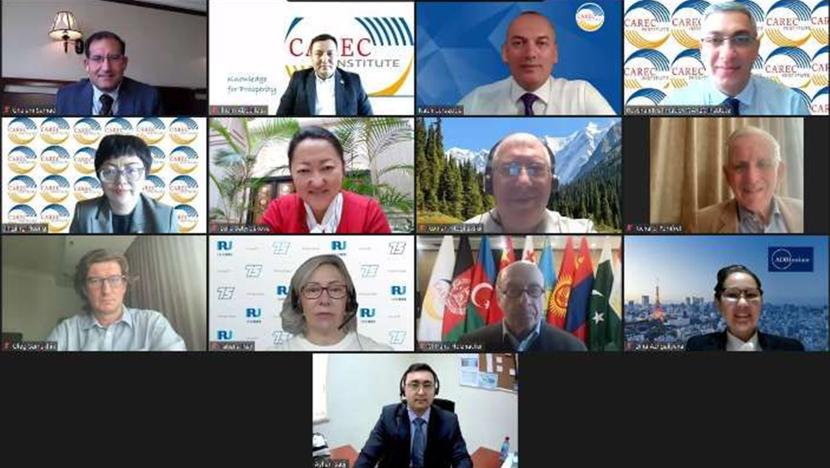
IRU’s Director of TIR and Transit also spoke at the online CAREC Chai VI event, titled “Enhancing the Middle Transport Corridor: Unlocking Opportunities in the Heart of Eurasia”, during which she reiterated road transport’s role in trade facilitation and decarbonisation.

“Today, all participants have highlighted the importance of digitalisation and harmonisation of customs procedures along the Middle Corridor to unlock its full potential. I am proud to say that TIR responds to all these calls. With CAREC countries being the most active TIR users, we have what it takes to boost the efficiency and security of trade along the Middle Corridor,” highlighted Tatiana Rey-Bellet.

Source IRU

IRU and new UNECE chief meet on 2024 TIR developments

8 DEC 2023 · PROSPERITY

The full digitalisation of TIR, regional activities and new countries topped the agenda today during a meeting between IRU’s Secretary General and UNECE’s Executive Secretary.

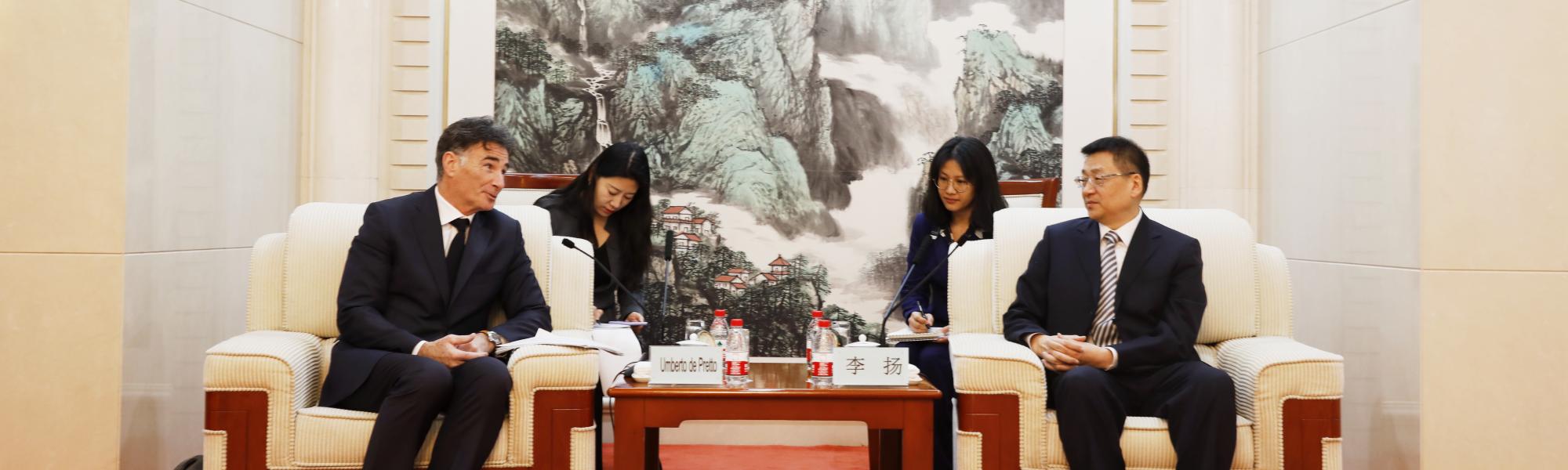
Following their first meeting, IRU Secretary General Umberto de Pretto and UNECE’s new Executive Secretary, Tatiana Molcean, discussed the 2024 activities for TIR at the IRU Secretariat in Geneva today.

Umberto de Pretto and Tatiana Molcean exchanged on measures to help TIR countries advance towards full digitalisation with eTIR, which is poised to further elevate the tried-and-tested benefits of the only global transit system. eTIR will further strengthen the key pillars of TIR: efficiency, security and transparency.

Concerning regional activities, Central Asian countries have shown a strong tendency to digitalise all transit and transport systems. Comprised of landlocked countries, eTIR will build on the work of TIR: turning landlocked countries into land-linked regional trade and transit hubs.

China is another key country where TIR is boosting the efficiency and security of trade and transit. Since its implementation in China in 2018, TIR has brought more efficient and secure east-west connectivity to China. TIR now connects China to over 30 countries across Eurasia. IRU and UNECE discussed practical measures to further expand its use in China and the region.

The Middle East, particularly the Gulf Cooperation Council (GCC), also continues to show significant promise for further TIR development and expansion. The implementation of TIR in Egypt and Iraq, as well as further reinforcing growth in existing TIR countries, is a key focus for 2024.

On the other side of the globe, South America remains a focus for 2024. Brazil maintains its keen interest to accede to TIR, a development that could unlock TIR in the region, with several South American countries having already acceded to TIR.

Umberto de Pretto and Tatiana Molcean also exchanged on collaboration opportunities with other international organisations. 

What is TIR? 

The TIR system enables goods to be shipped from a country of origin to a country of destination in sealed load compartments that are controlled by customs via a multilateral, mutually recognised system.

TIR streamlines procedures at borders, reducing the administrative burden for customs authorities and for transport and logistics companies. It cuts border waiting times significantly, saving time and money.

Источник

Figure of the month: 50%

1 DEC 2023 · PEOPLE

So many operators are finding it hard. What’s the solution?

The shortage of truck drivers is a chronic issue.

The age of the driver population is one reason why it’s a chronic issue.

A lot of truck drivers are reaching the age of retirement. But not as many new people are joining the profession.
As a result, transport operators, even more so small- and medium-sized companies, the core of the road transport industry, are finding it hard to hire new drivers.

IRU’s latest truck driver shortage survey found that over 50% of trucking companies in most countries face severe or very severe difficulties hiring skilled drivers.

The 2023 IRU truck driver shortage study is based on 4,700 operators from 36 countries representing over 70% of global GDP.

What can be done?

Becoming a truck driver must be made more accessible.

High training, licence and insurance costs make it expensive to become a truck driver. In France, for example, the average cost to obtain a truck driver licence and a Certificate of Professional Competence (CPC) is EUR 5,250, over three times the minimum monthly wage.

Meanwhile, the UK’s “skills bootcamps” programme, launched in late 2021, has resulted in record numbers of people obtaining their licence. The government programme covers the cost getting a truck driver licence and CPC, going as far as covering the cost of medical tests. The government has attributed an additional GBP 50 million for 2024–2025.

The “school-to-wheel” gap also needs to be closed. The minimum driving age for international freight transport is still between 21 in some countries.

But that’s not it. The profession needs to be made more attractive.

A drastic lack of safe and secure parking areas in many parts of the world is reducing the appeal of the profession. 
However, in places with an ageing population such as Europe, the available pool of local talent may not be enough to cover the gap.

The access of qualified third-country drivers to the profession should be facilitated, allowing countries with a surplus of professional drivers to help cover gaps where needed.

Source IRU

IRU sets scene on commercial road transport decarbonisation ahead of COP28

29 NOV 2023 · ENVIRONMENT

Speaking at the World Green Economy Summit in Dubai today, IRU has outlined a realistic and practical roadmap to effectively decarbonise commercial road transport without undermining vital mobility and logistics services. 

On the eve of COP28 kicking off in Dubai, leading political, industry, academic and civil society figures have come to together at the World Green Economy Summit in the city. 

Under the patronage of HH Sheikh Mohammed bin Rashid Al Maktoum, Vice President & Prime Minister of the United Arab Emirates and Ruler of Dubai, the annual high-level forum focuses on advancing the global green economy and sustainability agenda to achieve the UN Sustainable Development Goals.

In the Summit’s principal session on green transportation, IRU stressed the essential role of road transport and reinforced IRU’s vision and mission on sustainable transport, and the broader industry’s responsibility in driving its own decarbonisation via the IRU Green Compact.

IRU Secretary General Umberto de Pretto said, “Commercial road transport is the lifeblood of economies and communities in all countries. Our challenge is to decarbonise the sector without harming the people and their livelihoods who depend on those services. 

“If we get road transport wrong, we won’t achieve any of the 17 sustainable development goals.” 
IRU’s Green Compact provides a clear blueprint for the industry’s decarbonisation journey.

Based on five pillars of action bringing together efficiency wins and a pragmatic roll-out of alternative fuels, the IRU Green Compact maps a wide mix of solutions that are flexible and adaptable for the wide range of countries and energy landscapes in the world today. 

Over half of the necessary cumulative reduction in CO2 emissions through to 2050 can be achieved with immediate efficiency wins – with more efficient logistics chains, vehicles and drivers. But this needs political will and regulatory support.

Looking forward to the COP28 negotiations, Umberto de Pretto therefore called on governments to work in partnership with the road transport industry to scale up available and proven road transport decarbonisation best-practices and solutions. 

“Governments need to legislate and communicate a clear vision and enabling conditions that will work for road transport operators to drive immediate efficiency wins, and thus CO2 emission reductions, as well as invest over the medium term in alternative fuel technology. 

“Road transport operators know best how to run sustainable transport services. With the right economic and regulatory framework, the right infrastructure and operational support, and the right technology, road transport companies will decarbonise and drive the industry to become carbon neutral by 2050,” concluded Umberto de Pretto. 

Source IRU

First ever World Sustainable Transport Day hits the road

24 NOV 2023 · CORPORATE

Industry leaders, the United Nations and civil society are coming together today to celebrate the first ever World Sustainable Transport Day, officially marked on 26 November.

Sustainable transport connects people, communities and economies in harmony with the environment, improving social equity and development while reinforcing safety and resilience. 

World Sustainable Transport Day, to be marked every 26 November from this year on, will serve as a global platform, raising awareness of the pivotal role that sustainable transport plays in our lives. 

IRU Secretary General Umberto de Pretto said, “This new day, 26 November, is a special day for everyone to stop, reflect and recognise just how crucial transport, and road transport in particular, is in every aspect of our daily lives.

“Road transport services – trucks, vans, buses, coaches and taxis – are the lifeblood of economies and communities worldwide, moving people and goods across villages, towns, nations and continents. Road transport plays an indispensable role in driving the pillars of sustainable development – environmental, social and economic.

“As IRU, we are particularly proud as we proposed this day and helped steer it through the UN adoption process. Now let’s turn words into action. Let’s make 26 November a day to remember this year, and every year.”

First ever World Sustainable Transport Day hits the road

The UN General Assembly, the main policy-making organ of the United Nations, adopted the resolution to designate a UN World Sustainable Transport Day at its 77th session earlier this year.

The resolution followed IRU’s initial proposal for a dedicated “World Transport Day”.

“We would like to thank the Government of Turkmenistan for championing and advancing this idea, and facilitating the adoption of the UN resolution,” said Umberto de Pretto.

IRU has created a dedicated World Sustainable Transport Day website which includes ready-to-use and customisable social media packages to help everyone celebrate this important day.

Palais des Nations lights up

To mark the inaugural celebration of the World Sustainable Transport Day, the United Nations is hosting a special event today in Geneva at the Palais des Nations. 

Following welcome remarks by Antonio Guterres, Secretary-General of the United Nations, IRU Secretary General Umberto de Pretto speaks on greening transport, outlining the fundamental contribution of buses, coaches, taxis and trucks to safer, more efficient and greener sustainable transport.

Source IRU

The road to the future: IRU marks 75th anniversary in Istanbul

22 NOV 2023 · PROSPERITY

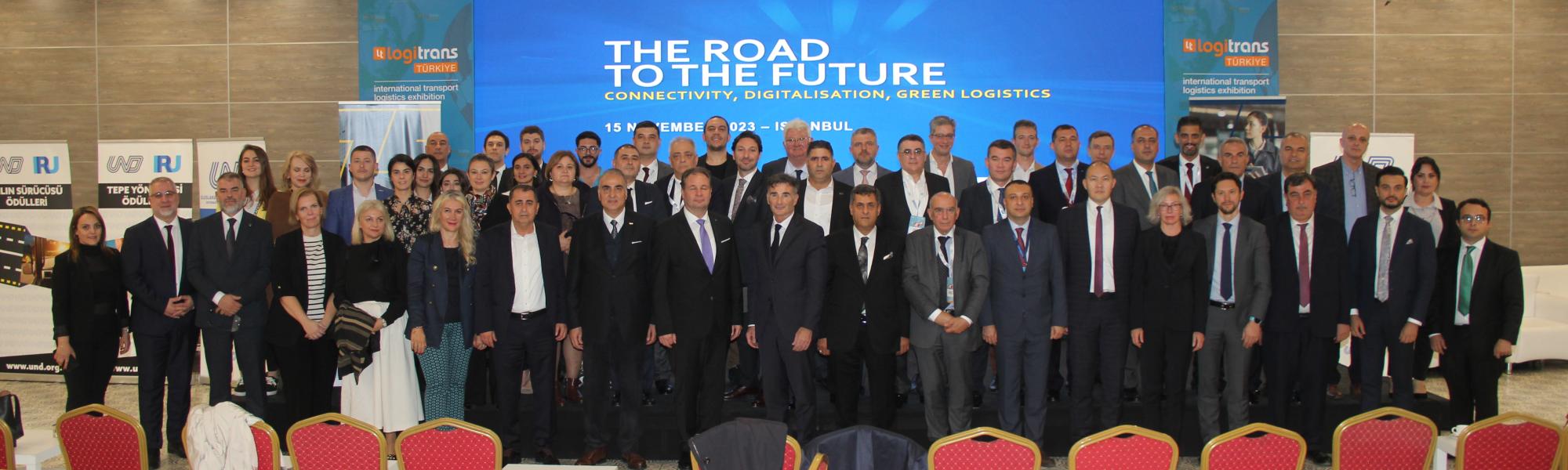
Cross-border facilitation, digitalisation and decarbonisation led the discussions in Istanbul as IRU celebrated its 75th anniversary with members and partners from the region.

IRU members, transport companies, development organisations and public authorities focused on pressing challenges, including increasingly congested trade corridors and border crossings, facing road transport in Türkiye and the region at IRU’s special 75th anniversary event in Istanbul.

IRU President Radu Dinescu, who delivered the opening speech, said, “Commercial road transport links the region with the rest of the world, driving economic development and social prosperity from the smallest villages to the largest urban centres.

“TIR has always been, and continues to be, at the heart of connectivity, facilitating and accelerating trade and transport while maintaining the security and transparency of cross-border shipments.”

“We must continue and accelerate efforts to digitalise trade and transit with eTIR and other digital instruments to optimise cross-border operations and manage the growing volumes of goods flowing through the region,” he added.

Radu Dinescu’s opening remarks were followed by speeches from TOBB Vice President Tamer Kıran and UND President Şerafettin Aras who congratulated IRU on its 75th Anniversary while reinforcing their commitment to work together in the face of emerging challenges and opportunities.

The event also featured two panel debates. The first panel, moderated by Alper Özel (UND Chairman of the Executive Board), focused on shaping a brighter future for trade and transport around the Black Sea and featured Asset Assavbayev (TRACECA), Burak Serkan Yaşar (the Ministry of Trade of Türkiye), Dimitrios Rallis (BSEC), and Murat Korçak (the Ministry of Transport of Türkiye).

The second panel, moderated by Tatiana Rey-Bellet (IRU), exchanged on avenues to optimise border crossings and featured İdil Bilgiç-Alpaslan (EBRD), Selim Can Sazak (TUM Strategy), Murat Gümüşlüol (Logitrans), Fuat Pamukçu (DFDS), Kenan Güler (Digital Customs Services).

Recognising talent

As part of the celebrations, the event included award sessions recognising excellence in road transport. The Diploma of Honour for outstanding drivers and the Top Road Transport Manager award were presented to winners from Turkish road transport companies.

Over ten drivers were also present at the event and received the IRU Grand Prix d’Honneur, which this year was awarded to all professional bus, coach, taxi and truck drivers in the world in recognition of their collective bravery, courage and dedication in continuing to serve through the pandemic, conflicts and natural disaster rescue and relief operations, despite risks to their own lives.

The IRU Grand Prix d’Honneur awards were followed by a session with IRU’s New Industry Shapers, unique individuals and innovators from the region leading the industry into the future.

Finally, the event included a signing ceremony for IRU’s Charter 75, an industry pledge reinforcing the road transport industry’s commitment to help people in times of crisis. The digital version of the IRU Charter 75, available in six languages, can also be signed online.

In his closing remarks, IRU Secretary General Umberto de Pretto said, “Let me say thank you and congratulations again to all professional truck, bus, coach and taxi drivers – from all countries – for your dedication, commitment and courage. You keep our communities and economies moving every day, in both good and bad times.”

This special IRU 75th anniversary event was jointly hosted by IRU, TOBBUND and DFDS, in partnership with TOBB and UND, within Logitrans, Türkiye and Eurasia’s most important logistics exhibition.

Source IRU

Sichuan: Southwest China’s growing logistics hub turns to road transport

2 NOV 2023 · PROSPERITY

With the rising role of Sichuan as a leading logistics hub in China, IRU and the Sichuan Transportation Department have explored avenues to boost the region’s international connectivity and further professionalise drivers. 

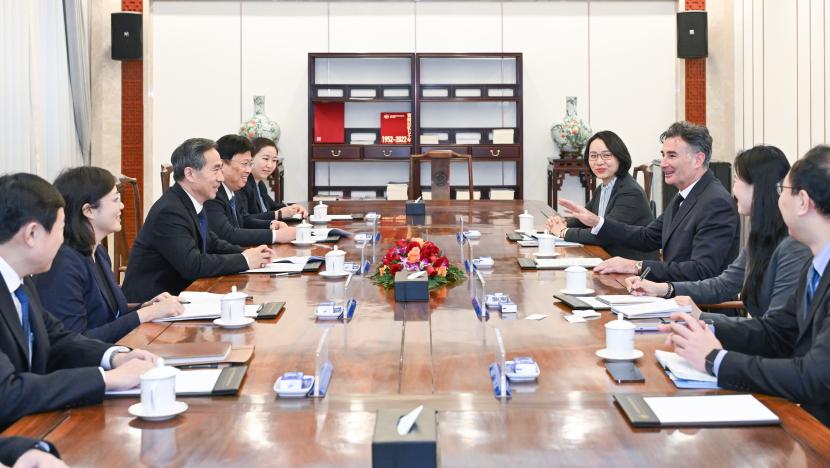
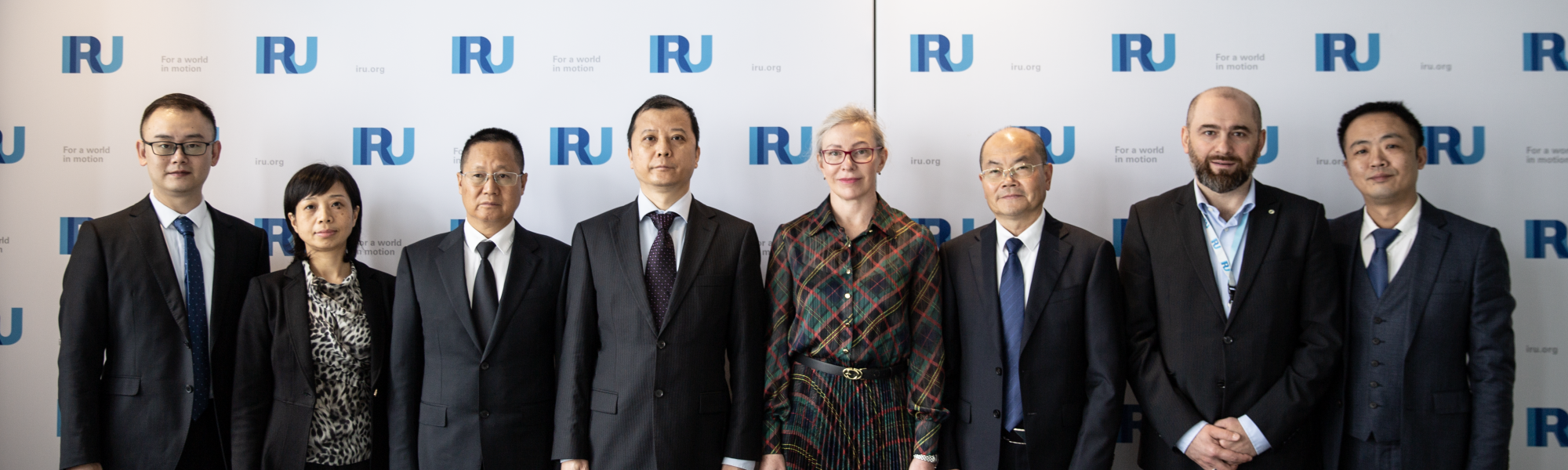
IRU Director of TIR and Transit Tatiana Rey-Bellet met with a delegation from the Sichuan Transportation Department in Geneva to discuss measures that can further leverage TIR for door-to-door connectivity by road transport, develop corridors connecting the region to the west and north, and expand one-stop trucking services.

Deputy Director-General Ning Jian from the Sichuan Transportation Department underlined the increasing importance of the region in national and international connectivity and its vision to become a key logistics hub in China and regionally.

The Sichuan Transportation Deptartment also shared its vision to professionalise its road transport industry, viewing IRU’s expertise and RoadMasters as key to elevating driver skills, which would support the province’s ambition to become a national and international logistics and transport hub.

A recent TIR movement conducted by IRU member the Sichuan Port and Shipping Investment (SPSI) from Sichuan via Kyrgyzstan to Tashkent, Uzbekistan, opened a new road route connecting the hinterland of southwest China with Central Asia. 

SPSI joined IRU in 2021 to develop its international road transport capabilities and enhance its image in the international market, cementing a dynamic national and regional logistics hub for multimodal transport.

Source IRU

Sichuan: Southwest China’s growing logistics hub turns to road transport

2 NOV 2023 · PROSPERITY

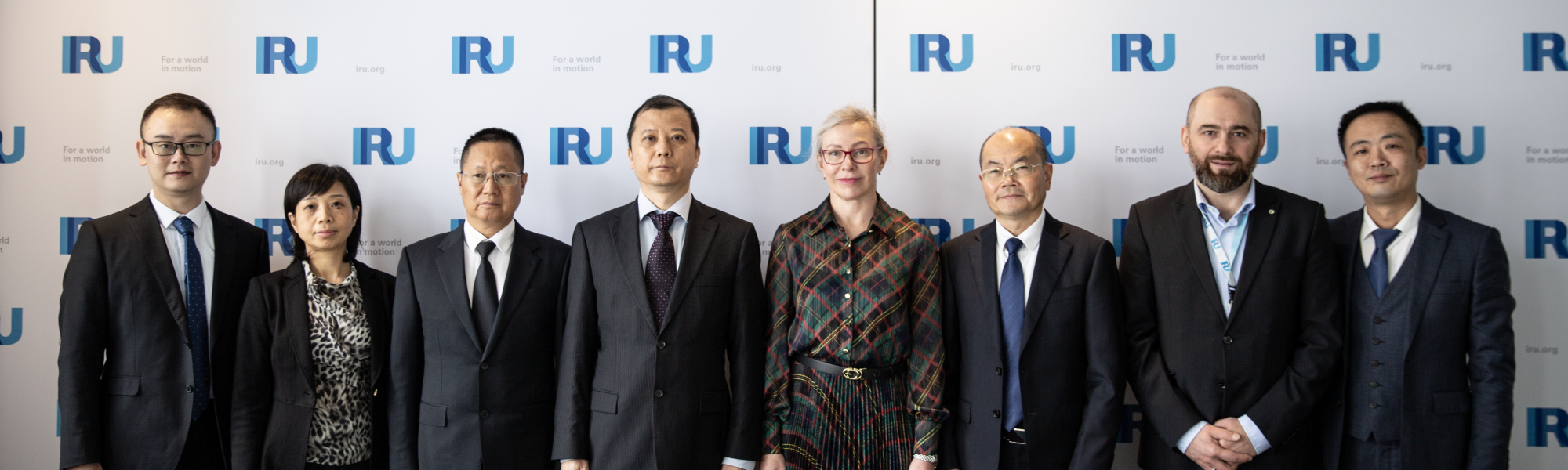
With the rising role of Sichuan as a leading logistics hub in China, IRU and the Sichuan Transportation Department have explored avenues to boost the region’s international connectivity and further professionalise drivers. 

IRU Director of TIR and Transit Tatiana Rey-Bellet met with a delegation from the Sichuan Transportation Department in Geneva to discuss measures that can further leverage TIR for door-to-door connectivity by road transport, develop corridors connecting the region to the west and north, and expand one-stop trucking services.

Deputy Director-General Ning Jian from the Sichuan Transportation Department underlined the increasing importance of the region in national and international connectivity and its vision to become a key logistics hub in China and regionally.

The Sichuan Transportation Deptartment also shared its vision to professionalise its road transport industry, viewing IRU’s expertise and RoadMasters as key to elevating driver skills, which would support the province’s ambition to become a national and international logistics and transport hub.

A recent TIR movement conducted by IRU member the Sichuan Port and Shipping Investment (SPSI) from Sichuan via Kyrgyzstan to Tashkent, Uzbekistan, opened a new road route connecting the hinterland of southwest China with Central Asia. 

SPSI joined IRU in 2021 to develop its international road transport capabilities and enhance its image in the international market, cementing a dynamic national and regional logistics hub for multimodal transport.

Source IRU

Middle Corridor talks dominate BSEC-URTA 42

1 NOV 2023 · PROSPERITY

Discussions around the importance of the Middle Corridor and solutions to streamline trade along this increasingly vital and busy corridor took centre stage at the BSEC-URTA General Assembly in Baku.

Goods transport along the Middle Corridor and routes that skirt the southern shores of the Black Sea, between the Caucasus and Europe, has grown considerably in recent years, putting pressure on already congested borders and hampering cross-border operations.

IRU’s President, Radu Dinescu, and Secretary General, Umberto de Pretto, outlined key steps to optimise trade in the Black Sea Economic Cooperation Organization (BSEC) region at the 42nd Meeting of the BSEC-URTA General Assembly, hosted by IRU member the Azerbaijan International Road Carriers Association (ABADA), in Azerbaijan. ABADA also hosted a special gala dinner with IRU members from the region to mark its 30th anniversary.

IRU President Radu Dinescu, who gave the opening remarks, said, “The Middle Corridor is flourishing.

“In 2022, transit via the Middle Corridor grew by 150% compared to 2021. From just December 2022 to January 2023, the container turnover in the Caspian Basin underwent a 5.5-fold increase. 

“Although this is great news for global connectivity and regional prosperity, we have a responsibility to ensure that goods flow efficiently and securely. Transport operators and drivers are suffering at borders due to long waiting times and additional costs.”

“BSEC countries are playing a crucial role in streamlining the Middle Corridor. We appreciate all efforts of BSEC-URTA to accelerate border crossings. We must continue working together to accommodate the ever-increasing freight volumes,” added Radu Dinescu.

As he outlined solutions and approaches to improve transport along the Middle Corridor, Radu Dinescu emphasised the importance of digitalisation.

“Together with UNECE, we are working on expediting the implementation of eTIR in the region, which should be accompanied by e-CMR, e-Visas and e-Permits. They all offer significant benefits and the ability to optimise transport operations,” highlighted Radu Dinescu.

“Finally, I would also like to highlight that Azerbaijan, Bulgaria and Greece are still not part of the BSEC permit system. I encourage them to join the system and take advantage of all it has to offer,” he added.

Based on the ever-growing success of the system, which was created 10 years ago, IRU and BSEC-URTA continue to advocate for increasing the number of permits and extending its geographical coverage.

Radu Dinescu ended his remarks by inviting all members and partners from the BSEC region to attend IRU’s 75th anniversary event in Istanbul on 15 November.

“I hope to see all of you in Istanbul for IRU’s 75th anniversary event, an opportunity to both celebrate our achievements and continue to work on facilitating trade along the Middle Corridor. I would also like to thank ABADA for hosting us in Baku and congratulate them on 30 years of advancing road transport and bringing prosperity to the region and beyond,” concluded Radu Dinescu.

Following the event, Umberto de Pretto and Azerbaijan’s Chairman of the State Customs Committee, Shahin Baghirov, discussed how customs procedures can be facilitated, including with eTIR and TIR/TIR-EPD Green Lanes.

Alat port

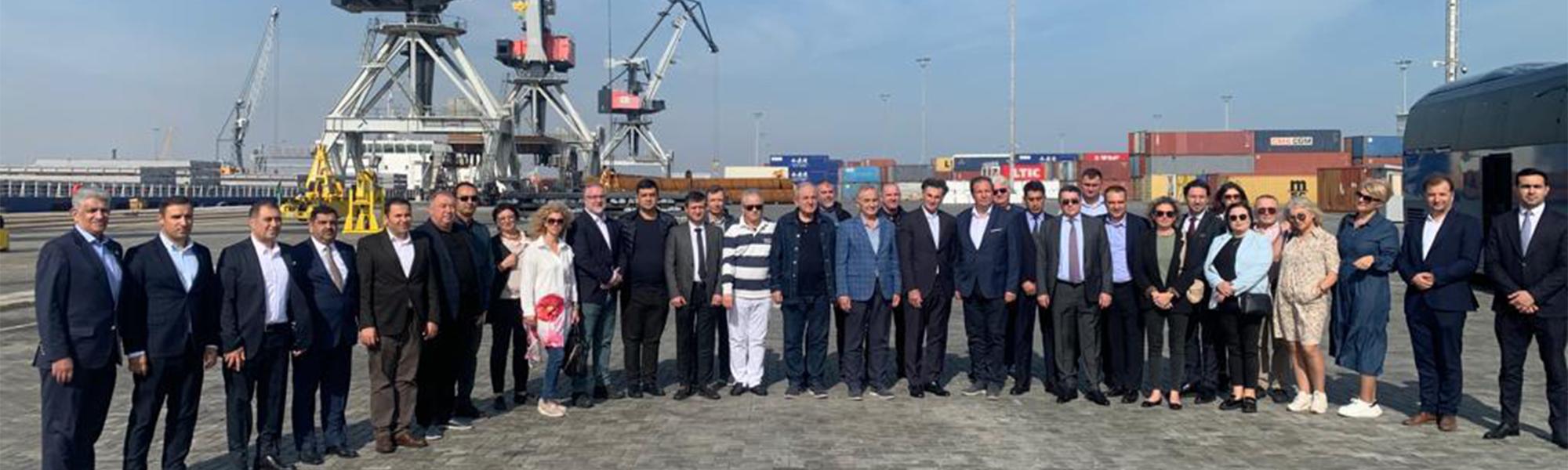
BSEC-URTA’s General Assembly concluded with a visit to Baku’s Alat Port, situated at the crossroads of the modern Silk Road and major transport corridors, to explore key challenges and opportunities facing the port.

During the visit, the port’s Chief Operations Officer, Eugene Seah, shared some of the innovations being pursued to maximise the port’s efficiency and sustainability. 

Source IRU

Powering the transcontinental Middle Corridor

31 OCT 2023 · PROSPERITY

The Middle Corridor reduces dependency on traditional transit corridors while offering a faster trade route. How do we maximise its potential? IRU outlined how in Tbilisi, Georgia. 

Trade along the transcontinental Middle Corridor is booming. 

Connecting China and Central Asia via the Caspian Sea with the Caucasus, Türkiye and Europe, the Middle Corridor is emerging as a pivotal route bridging continents, reshaping the global dynamics of transport and trade.

At the fourth edition of the Tbilisi Silk Road Forum, “Connecting Today Resilient Tomorrow”, in Tbilisi, Georgia, IRU’s Secretary General outlined the potential of the Middle Corridor, the challenges it’s facing due to ever-increasing trade volumes, and solutions to boost its efficiency and security.

On a panel with ministers from Azerbaijan, Georgia, Kazakhstan, Türkiye and Uzbekistan as well as the Secretary-General of the International Maritime Organization, IRU Secretary General Umberto de Pretto said, “The Middle Corridor, the shortest route between China and Europe, is experiencing ever-growing flows of goods.

“From January to August 2023, freight volumes from China to Europe along the Middle Corridor increased by over 80% compared to the same period last year. All signs point to more goods moving through the Middle Corridor in the years to come.”

“We must ensure that the countries and borders along the Middle Corridor can efficiently and securely manage greater volumes,” he added.

IRU has been working with its members and customs authorities to maximise the efficiency and security of borders along the Middle Corridor. The growth in trade volumes is putting pressure on already congested borders, markedly slowing down cross-border transport operations.

Earlier this year, Umberto de Pretto visited one of the key borders along the Middle Corridors: the increasingly congested Sarp-Sarpi border between Georgia and Türkiye.

“We’ve witnessed firsthand the importance of fully mobilising international harmonised instruments such as TIR and CMR, which are used in all countries along the Middle Corridor, to ensure the security and transparency of transit movements and reduce business costs,” highlighted Umberto de Pretto.

“Digitalising tried-and-tested instruments such as TIR would further help to handle the growing flow of goods without compromising security,” he added.

Umberto de Pretto also pointed out how long waiting times negatively impact driver shortages, stressing that truck driver shortages will not be solved without accelerating border crossings and improving working conditions. He also underlined that border authorities should focus on how long it takes drivers to cross borders, rather than the duration of the customs procedures.

“Inefficiencies are creating bottlenecks. Drivers are stranded for days at ports and borders, which is also resulting in huge financial burdens for traders and transport operators. Trade facilitation tools were developed for exactly this purpose: to streamline border operations. There is no good reason for drivers and goods to be stuck at borders for days,” said Umberto de Pretto.

“A vital gateway to markets, the Middle Corridor represents opportunities that span far beyond its geographical boundaries,” he concluded.

Umberto de Pretto also held high-level talks with H.E. Jasem Mohamed AlBudaiwi, the Secretary General of the Gulf Cooperation Council (GCC). The two discussed the importance of introducing the TIR system into the GCC Customs Law, as was done with the Authorised Economic Operator earlier this year.

The Tbilisi Silk Road Forum, attended by 1,200 participants from over 60 countries, was organised under the patronage of H.E. Prime Minister of Georgia, Irakli Garibashvili.

Source IRU