31 OCT 2023 · PROSPERITY
The Middle Corridor reduces dependency on traditional transit corridors while offering a faster trade route. How do we maximise its potential? IRU outlined how in Tbilisi, Georgia.
Trade along the transcontinental Middle Corridor is booming.
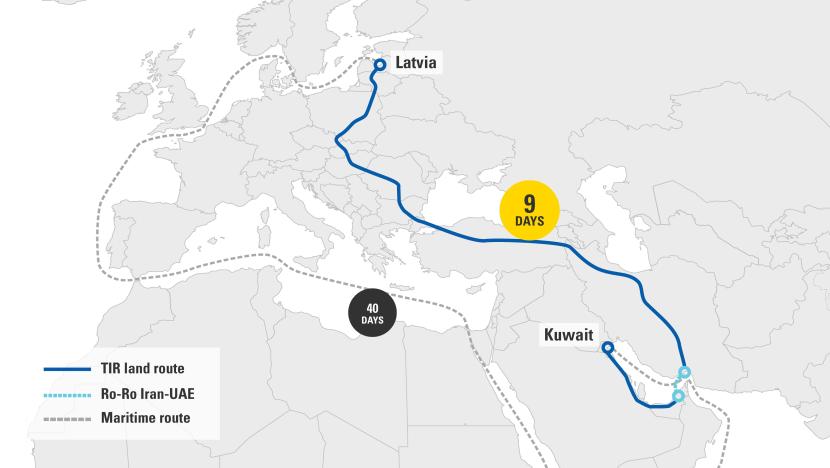
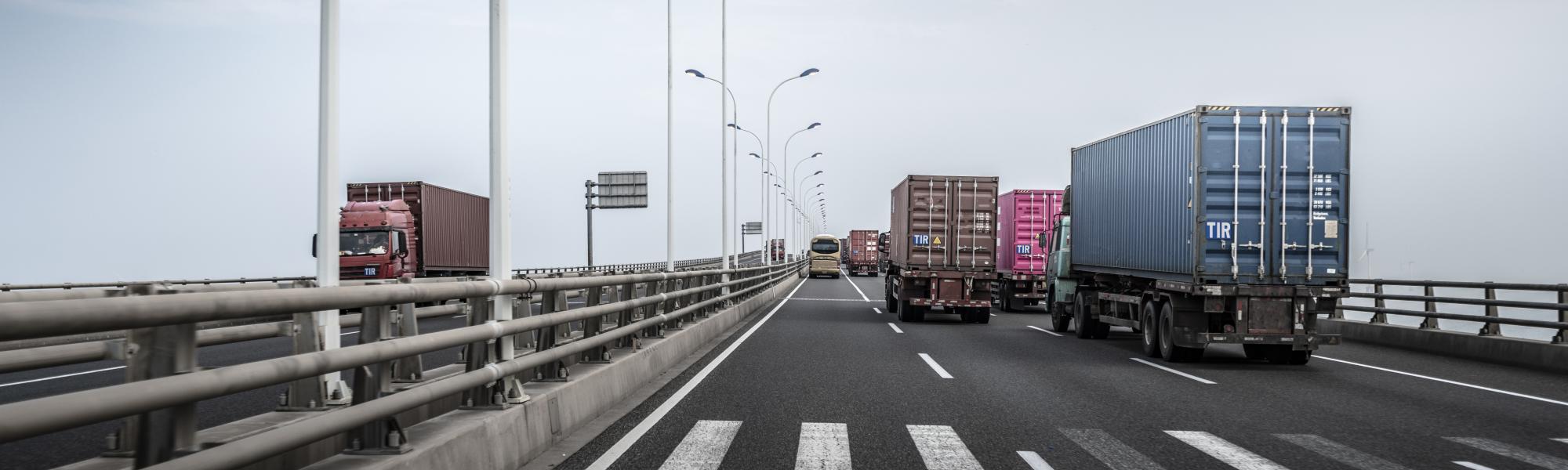
Connecting China and Central Asia via the Caspian Sea with the Caucasus, Türkiye and Europe, the Middle Corridor is emerging as a pivotal route bridging continents, reshaping the global dynamics of transport and trade.
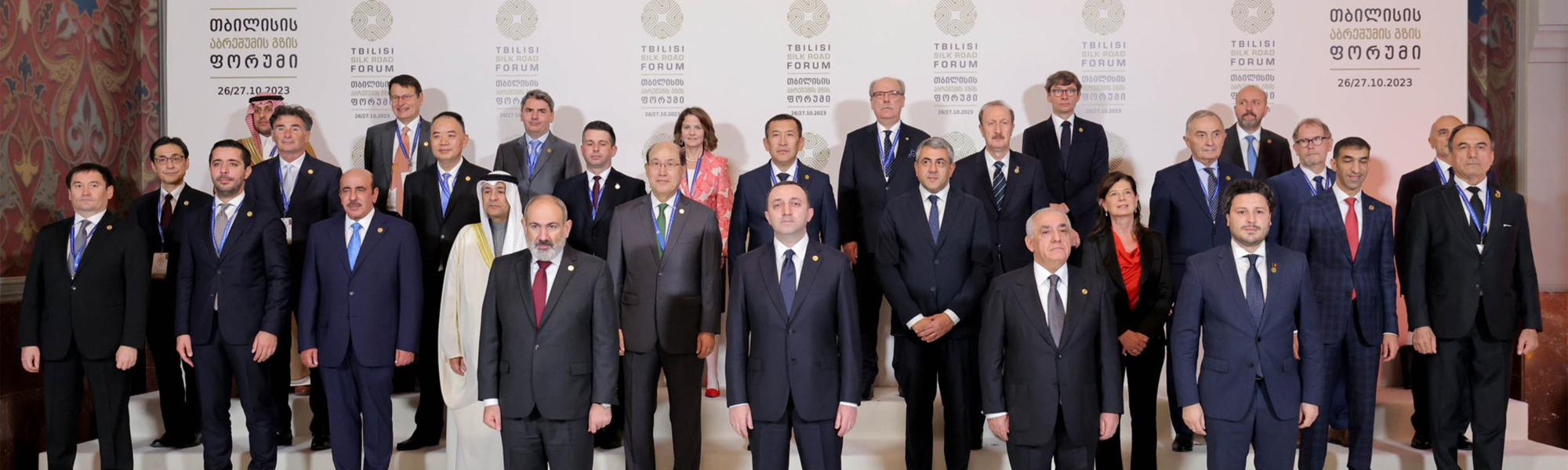
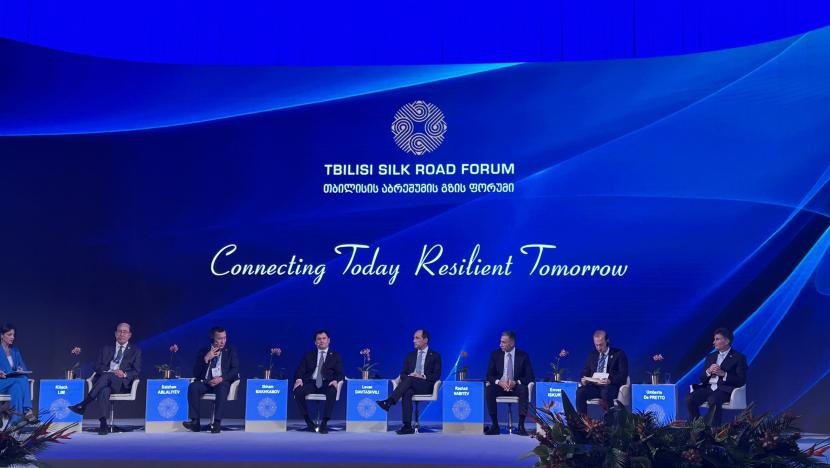
At the fourth edition of the Tbilisi Silk Road Forum, “Connecting Today Resilient Tomorrow”, in Tbilisi, Georgia, IRU’s Secretary General outlined the potential of the Middle Corridor, the challenges it’s facing due to ever-increasing trade volumes, and solutions to boost its efficiency and security.
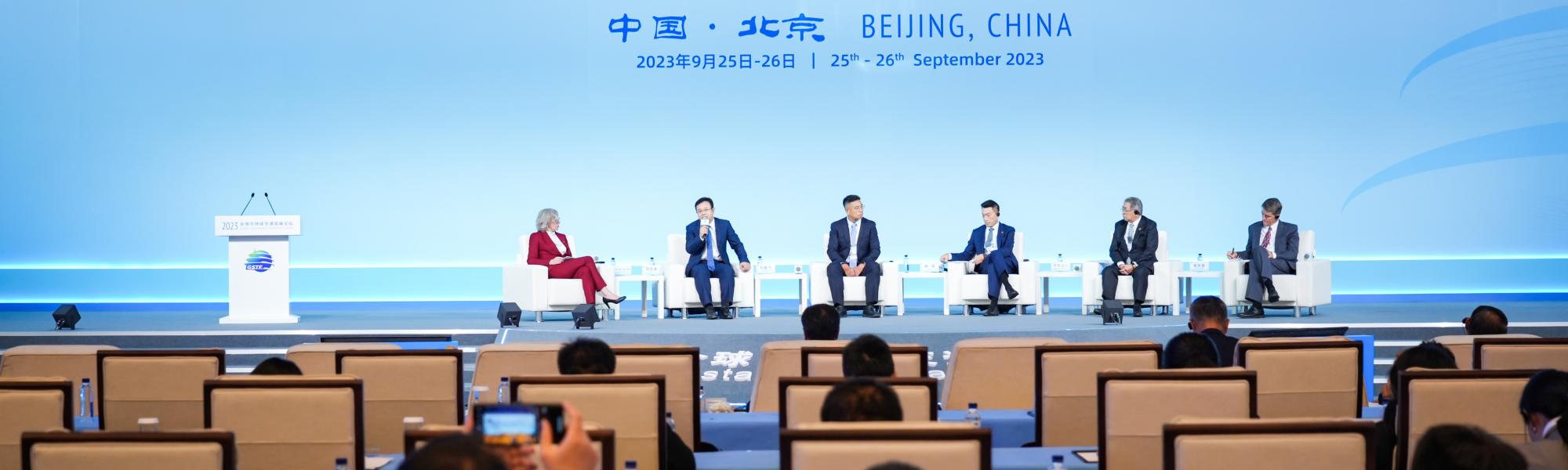
On a panel with ministers from Azerbaijan, Georgia, Kazakhstan, Türkiye and Uzbekistan as well as the Secretary-General of the International Maritime Organization, IRU Secretary General Umberto de Pretto said, “The Middle Corridor, the shortest route between China and Europe, is experiencing ever-growing flows of goods.
“From January to August 2023, freight volumes from China to Europe along the Middle Corridor increased by over 80% compared to the same period last year. All signs point to more goods moving through the Middle Corridor in the years to come.”
“We must ensure that the countries and borders along the Middle Corridor can efficiently and securely manage greater volumes,” he added.
IRU has been working with its members and customs authorities to maximise the efficiency and security of borders along the Middle Corridor. The growth in trade volumes is putting pressure on already congested borders, markedly slowing down cross-border transport operations.
Earlier this year, Umberto de Pretto visited one of the key borders along the Middle Corridors: the increasingly congested Sarp-Sarpi border between Georgia and Türkiye.
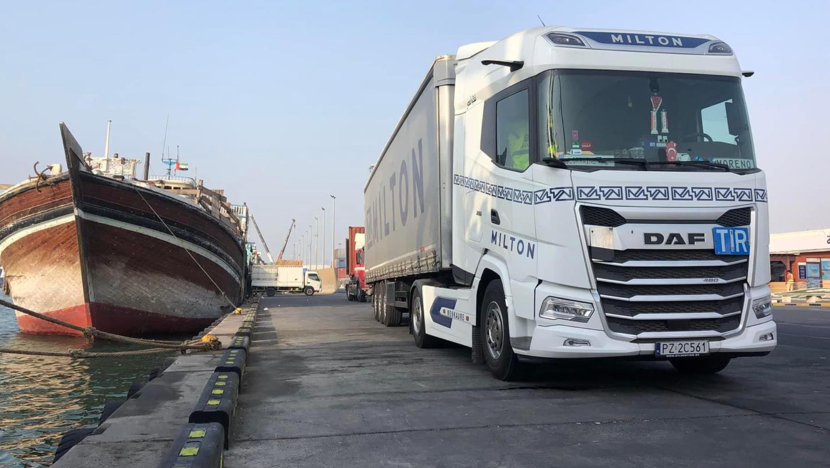
“We’ve witnessed firsthand the importance of fully mobilising international harmonised instruments such as TIR and CMR, which are used in all countries along the Middle Corridor, to ensure the security and transparency of transit movements and reduce business costs,” highlighted Umberto de Pretto.
“Digitalising tried-and-tested instruments such as TIR would further help to handle the growing flow of goods without compromising security,” he added.
Umberto de Pretto also pointed out how long waiting times negatively impact driver shortages, stressing that truck driver shortages will not be solved without accelerating border crossings and improving working conditions. He also underlined that border authorities should focus on how long it takes drivers to cross borders, rather than the duration of the customs procedures.
“Inefficiencies are creating bottlenecks. Drivers are stranded for days at ports and borders, which is also resulting in huge financial burdens for traders and transport operators. Trade facilitation tools were developed for exactly this purpose: to streamline border operations. There is no good reason for drivers and goods to be stuck at borders for days,” said Umberto de Pretto.
“A vital gateway to markets, the Middle Corridor represents opportunities that span far beyond its geographical boundaries,” he concluded.
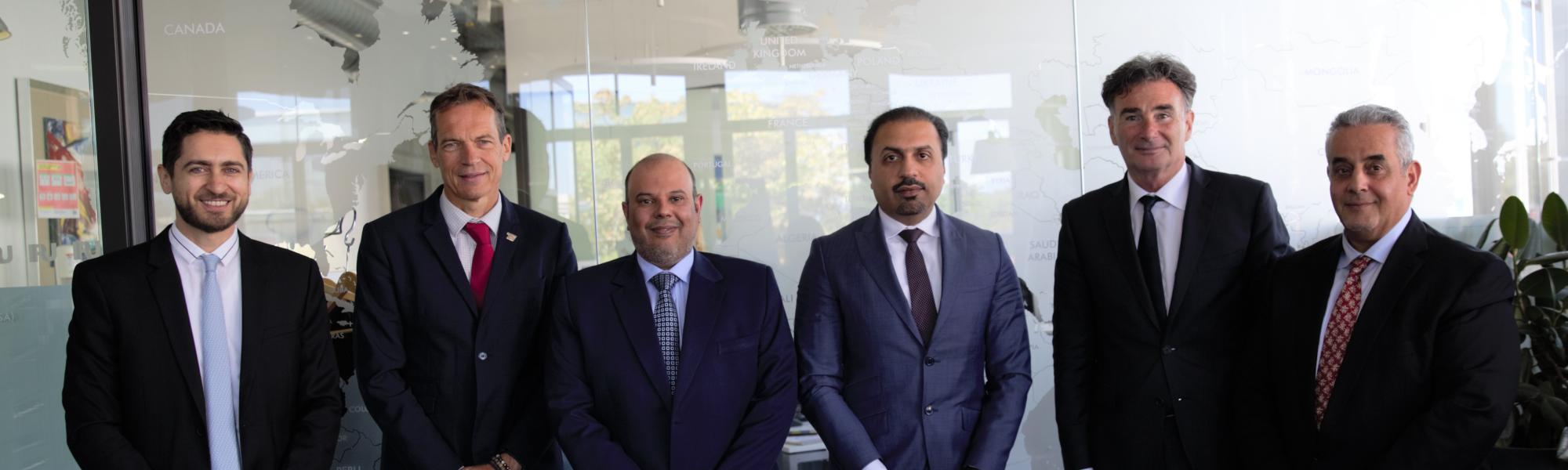
Umberto de Pretto also held high-level talks with H.E. Jasem Mohamed AlBudaiwi, the Secretary General of the Gulf Cooperation Council (GCC). The two discussed the importance of introducing the TIR system into the GCC Customs Law, as was done with the Authorised Economic Operator earlier this year.
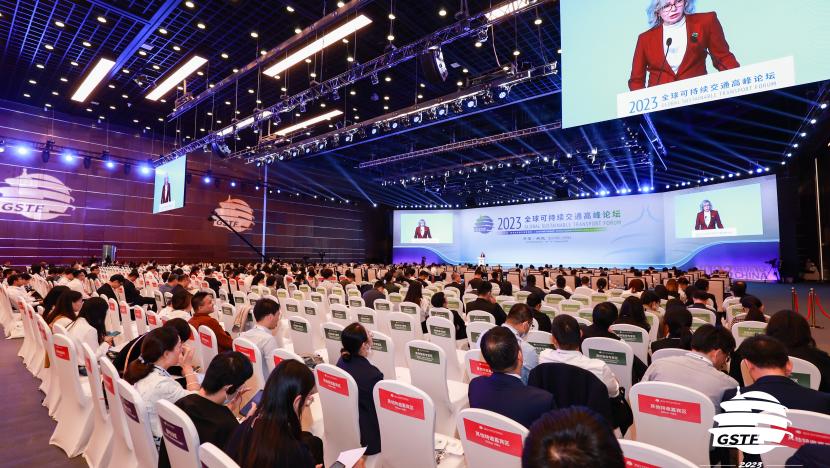
The Tbilisi Silk Road Forum, attended by 1,200 participants from over 60 countries, was organised under the patronage of H.E. Prime Minister of Georgia, Irakli Garibashvili.